

The last time most cricket fans saw Sajid Mahmood in action, he was bowling for England at Lord's. That was 2010. Fifteen years on, the fast bowler who earned 15 Test caps terrorizing batsmen has traded his whites for a different kind of pitch entirely—one involving logistics, escrow payments, and the surprisingly complex economics of secondhand cricket pads.
His new venture, Reeqip, wants to become what he calls a marketplace for "pre-loved" sports gear. Cricket sits at the heart of it, naturally. But Mahmood and his co-founder Shamir Mustafa Zayed Shah have broader ambitions, extending across football, tennis, golf, and rugby. Whether that scope proves prescient or overextended depends on whether they can solve a problem that's vexed plenty of others: building a trusted peer-to-peer marketplace in a category where buyers worry about worn-out equipment and sellers want their money quickly.
The platform launched in the UK last summer following incorporation in July 2024, according to Companies House records. Shah holds between 25 and 50 percent of the company's shares. Their registered office is in Surrey, though the consumer-facing site lists a Notting Hill address in London—one of those small geographic flourishes that suggests a startup still figuring out its public identity.
More Than Just Listings
Walk through Reeqip's site and cricket dominates: bats, gloves, pads, helmets, kit bags. It's Mahmood's world, after all. But the architecture hints at something larger than a niche marketplace for seam bowlers looking to offload gear.
The homepage spotlights partnerships—or at least featured relationships—with UK cricket brands like Neon Cricket, Matador, and GJ Cricket. These shops operate independent retail and refurbishment businesses. Exactly what they're doing with Reeqip isn't entirely clear from public filings or the site itself. Are they curated storefronts? Verified seller channels? The company hasn't spelled it out, which either suggests early-stage negotiations or a deliberate vagueness while the model takes shape.
What's evident is that Mahmood and Shah aren't simply replicating eBay for cricket. They're attempting something closer to a hybrid: peer-to-peer transactions layered with retailer integrations and brand partnerships. It's more complicated. Also potentially more defensible, if they pull it off.
The Money Problem
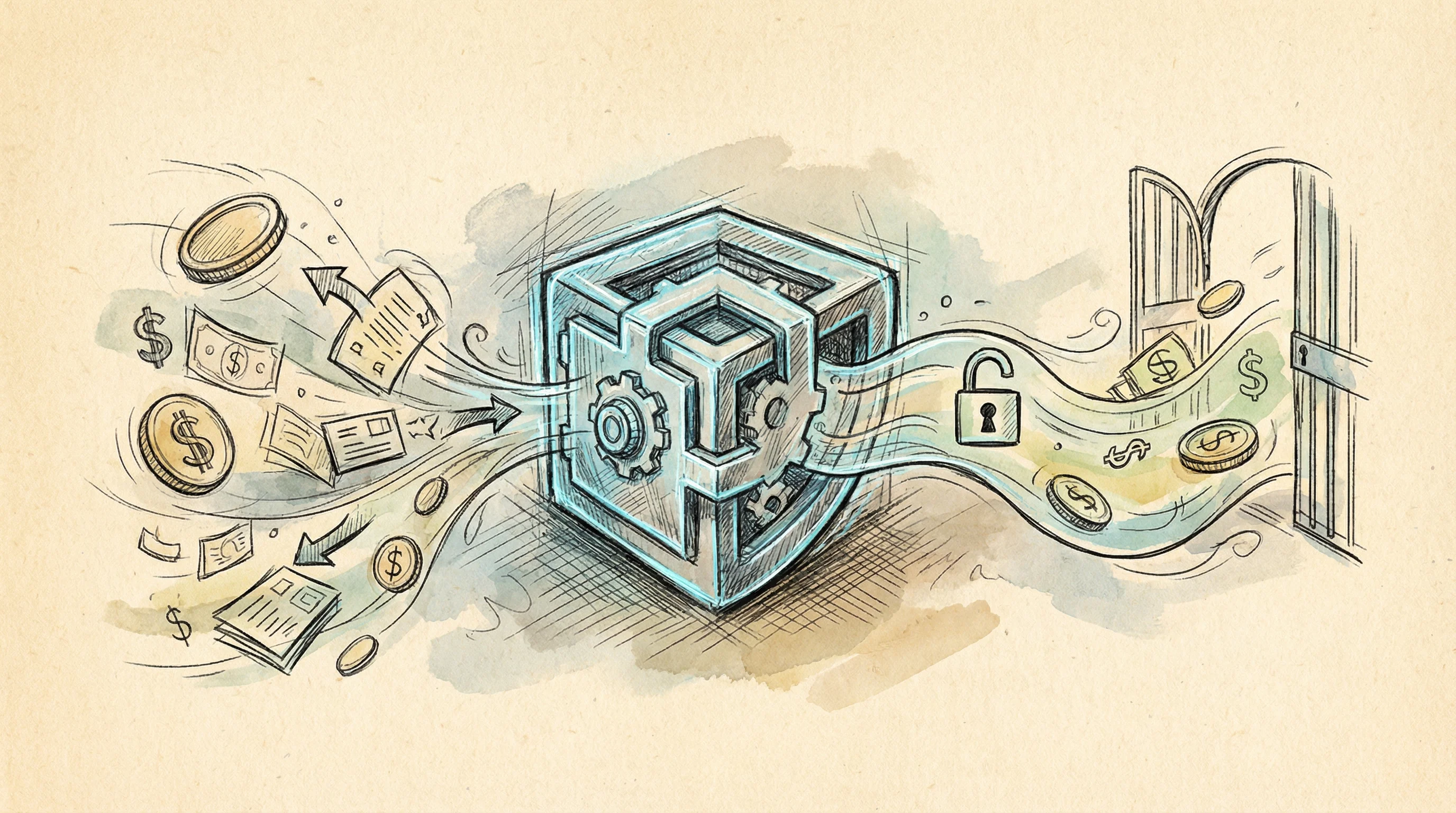
Peer-to-peer marketplaces live or die on trust. Reeqip's answer is an escrow system, the kind that's become standard in resale but still requires careful execution. Buyers pay through Stripe or PayPal. Reeqip holds the funds. Sellers get paid only after the buyer confirms receipt—or after a dispute window closes.
Here's where things get a bit fuzzy. The site's FAQ says buyers have four days from delivery to file complaints about non-shipment, damage, or "significant misdescription." But the formal protection policy document references a seven-day window. That inconsistency might reflect evolving terms as the company calibrates its approach. Or it might just be an oversight that slipped through. Either way, it's the sort of detail that matters when trust is your primary currency.
The company promotes "No Selling Fees" prominently—a nod to the resentment many sellers harbor toward eBay's cut. Yet the terms and conditions tell a different story. Reeqip reserves the right to charge transaction fees and mandates a non-refundable Buyer Protection Fee for what it describes as escrow administration and dispute mediation. How much that fee runs, and whether it scales with transaction value, hasn't been disclosed publicly. Perhaps they're still figuring it out. Perhaps they're waiting to see what the market will bear.
Shipping runs UK-only for now, via Royal Mail. Five to seven working days, typically. International expansion is mentioned as a possibility, though without a timeline attached. That kind of hedging is common among startups not quite ready to commit to expensive infrastructure decisions.
A Crowded Field
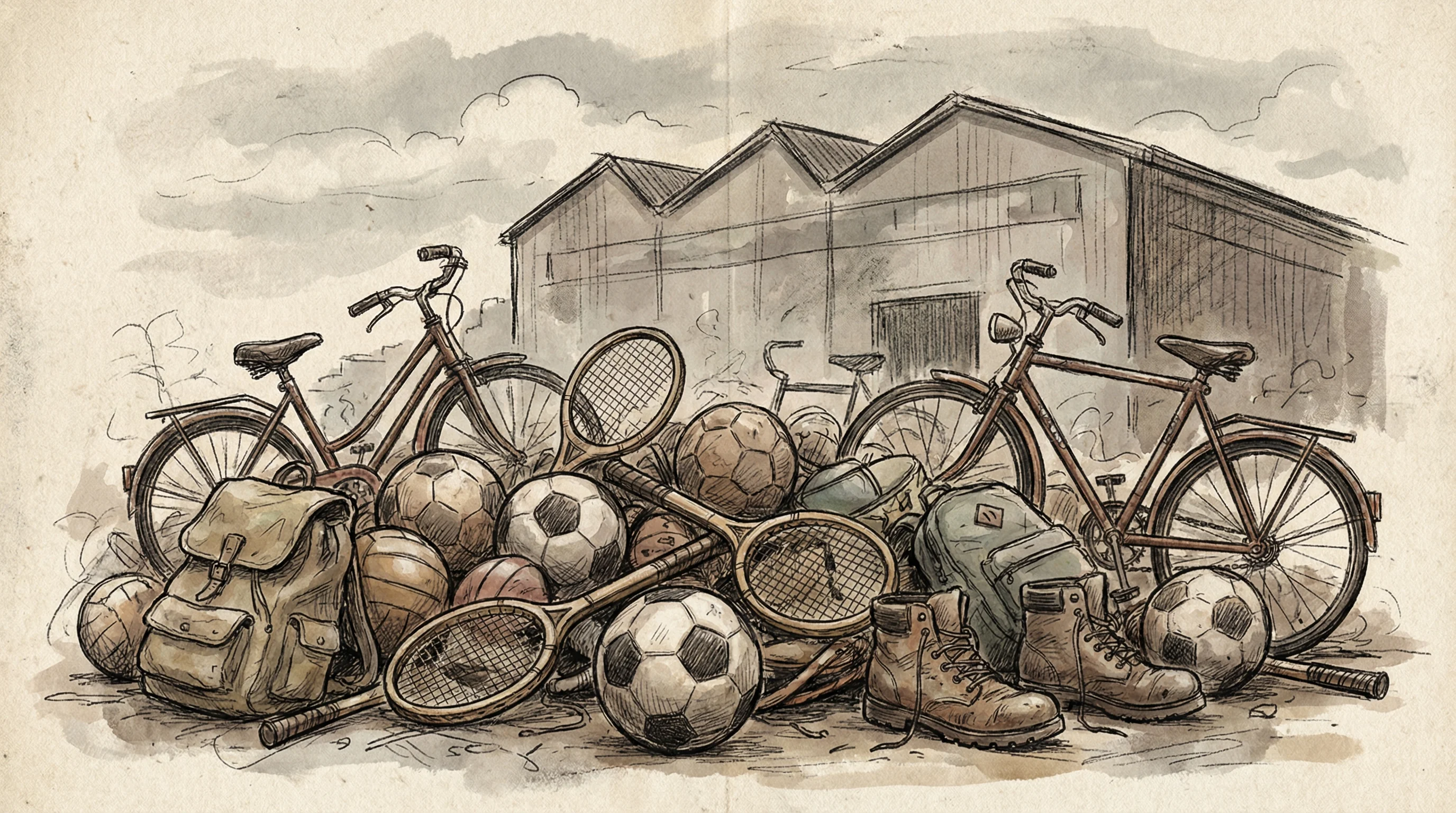
Mahmood and Shah are entering a market where the secondhand sports equipment idea has caught on, but where no one's quite cracked the model that scales dramatically.
Decathlon, the French sporting goods giant, has made secondhand a cornerstone of its UK strategy. The company's Second Life buyback program saw demand jump 25 percent in 2022. Since then, Decathlon has expanded nationwide buyback events and even partnered with Wallapop in Spain to extend its reach. When a major retailer with existing foot traffic and brand recognition leans into resale, life gets harder for independent marketplaces.
Then there's the homegrown competition. Slogged runs a similar used cricket equipment marketplace in the UK. Kidd3r operates a broader pre-loved sports kit platform and partnered with Yorkshire Cricket Foundation on equipment recycling—a signal that institutional cricket has noticed the opportunity. Reeplay, another UK startup, recently entered iOS beta with what it calls "pre-played" gear and club integration features.
Across the Atlantic, SidelineSwap claims more than 5 million items sold and 2 million users across hockey, baseball, and golf—proof that the model can work at scale, though whether those economics translate to cricket-first markets remains uncertain. Play It Again Sports, the franchise chain, operates somewhere between 280 and 300 stores with multiple OEM resale partnerships. That's a lot of physical real estate and brand equity competing for the same dollar.
The Cricket Wedge
What Mahmood brings that others don't is credibility within the sport itself. "Cricket gave me everything," he writes on the platform's contact page. "Through Reeqip, I want to give back… no matter where they're from or what they can afford."
It's the kind of statement that could sound hollow if the execution doesn't match the sentiment. But there's logic to starting with cricket, especially in the UK market where the sport maintains deep grassroots participation despite—or perhaps because of—its cost barriers. Youth players grow. Equipment doesn't. Parents face a recurring expense cycle that can run hundreds of pounds annually. If a trusted marketplace can smooth those costs while keeping usable gear in circulation, the value proposition is straightforward.
The UK sports equipment and outdoor gear market hit roughly £11.3 billion in 2024, according to Ken Research. Exactly how much of that flows through resale channels isn't well documented, but estimates from adjacent categories suggest single-digit penetration with room to grow. Whether vertical-specific marketplaces like Reeqip can carve out defensible niches—or whether the Decathlons and eBays of the world ultimately dominate—is the open question.
Mahmood's betting his post-cricket reputation on the former. Fifteen years ago, he was delivering bouncers at international batsmen. Now he's navigating unit economics, payment processing, and the challenge of building liquidity in a two-sided marketplace.
Different game entirely. Same competitive instinct, one imagines.


