

When Amazon quietly killed its Try Before You Buy program on January 31, it wasn't just retiring a customer perk. It was declaring that the future of fashion retail no longer requires shipping clothes back and forth—that artificial intelligence can now do what physical fitting rooms have done for centuries, only cheaper.
Whether that's true is the multi-billion-dollar question keeping fashion executives up at night.
Returns have become retail's most expensive problem. Online apparel sends roughly 20 to 30 percent of orders back, clogging warehouses and eating margins. Virtual try-on technology promises an elegant solution: show shoppers exactly how something will look before they buy, and they'll keep what arrives. Google, Walmart, and dozens of startups are racing to prove it works. Amazon's decision suggests the company thinks they're close.
But step back from the hype, and the picture gets murkier. The technology is advancing, certainly. Yet hard data on whether these tools actually reduce returns—the metric that matters—remains frustratingly scarce. And the market itself is splintering into incompatible approaches: 2D image warping, 3D avatars, size algorithms, augmented reality mirrors. Retailers have to choose, often without clear evidence of what works.
The Giants Plant Their Flags
Google made its move first, launching generative AI virtual try-on for women's apparel on June 14, 2023. The system uses diffusion models—the same technology behind image generators like Midjourney—trained on Google's Shopping Graph data. Feed it two images, a garment and a model, and it generates photorealistic renderings that show how fabric drapes across different body types.
By September 2024, the feature had expanded to dresses, with Anthropologie, LOFT, H&M, and Everlane participating. This year, Google's Search Labs began testing personalized try-on: upload your own full-length photo, and the system renders clothes on your body instead of stock models.
It's an impressive technical achievement. Whether it's a good business is another matter.
Walmart went harder, faster. The retail giant acquired Israeli startup Zeekit in 2021 and rolled out "Choose My Model" on March 2, 2022—letting shoppers pick from diverse avatars. Six months later came "Be Your Own Model," which lets customers upload their photos for personalized virtual try-on. The feature now covers hundreds of thousands of SKUs across Walmart's site.
Amazon took a different route. The company launched Virtual Try-On for Shoes in 2022 via its mobile app, using augmented reality to overlay footwear onto users' feet through their phone cameras. The feature expanded from the U.S. and Canada into Europe. But shoes are simpler than shirts. And shuttering Try Before You Buy signals the company believes AI-driven fit guidance beats physical try-before-purchase logistics.
That's a confident bet. Perhaps more confident than the data warrants.
Snap's Expensive Lesson
Consider Snap's trajectory, which reads like a cautionary tale. The company paid roughly $124.4 million to acquire Berlin-based Fit Analytics in March 2021, a serious statement of intent. Fit Analytics uses machine learning to match shopper measurements to apparel and footwear, reducing the guesswork in online sizing.
Snap launched AR Enterprise Services—ARES—in March 2023, positioning it as a platform for brands to build augmented reality shopping experiences. Six months later, on September 27, 2023, Snap shut it down.
The company's consumer-facing AR infrastructure persists through Camera Kit and Lenses. Amazon Fashion used Snap's Catalog Shopping Lenses for eyewear try-on as of November 2022. But the ARES closure underscored an uncomfortable truth: monetizing enterprise AR at scale is brutally difficult, even when consumer engagement with AR features remains high. Engagement doesn't always translate to revenue—a lesson Silicon Valley keeps relearning.
The Startup Scramble
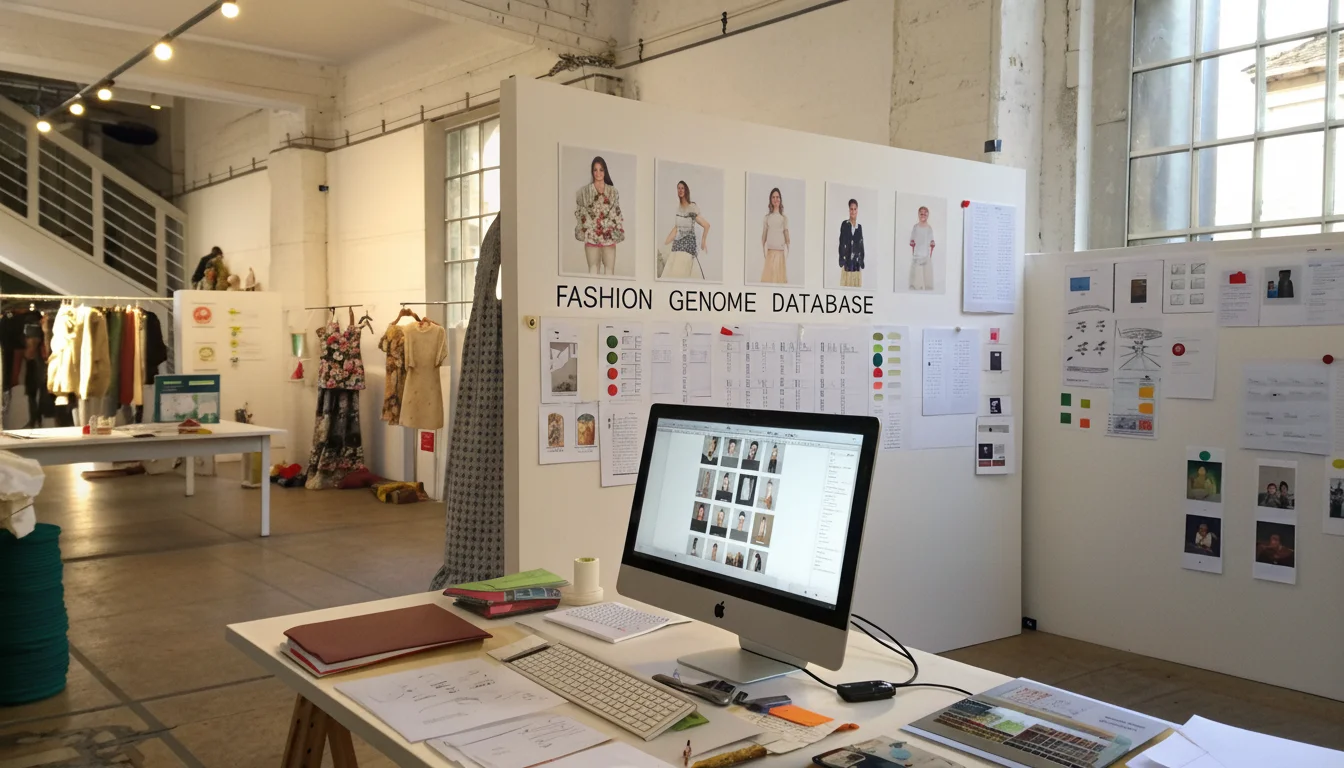
The virtual try-on landscape has become a Darwinian contest, with startups clustering around competing hypotheses about what actually works.
True Fit, which raised a $55 million Series C back in January 2018, sidesteps visual try-on entirely. The company built what it calls a Fashion Genome database—matching shopper data to sizing across brands using AI. True Fit announced a partnership with Shopify in August 2023 and extended a multi-year deal with The Very Group this year. The bet: get sizing right, and you don't need the dress-up theater.
Bold Metrics takes a similar approach, using AI to analyze body data and predict sizing. The company claims 92 percent accuracy and says it's created over 150 million digital twins for clients including Men's Wearhouse, Burton, and Pact. Whether that accuracy claim holds across all garment types and body shapes is something the company doesn't specify.
Then there's the visual camp. 3DLOOK raised a $6.5 million Series A in March 2021 (later extended to $10 million) and offers YourFit, which generates body measurements from two mobile photos. The system produces size recommendations and photorealistic 2D try-on images. A case study with TA3 Swim showed a 47 percent reduction in size-related returns—one of the few concrete data points in an industry swimming in vague claims.
Reactive Reality (PICTOFiT) builds 3D avatars and claims conversion lifts above 50 percent for clients using photorealistic virtual models and mix-and-match outfit visualization. Style.me offers similar 3D fitting room technology with 4K garment digitization, available as a Shopify plugin.
Some companies are betting on in-store solutions. FIT:MATCH partnered with Savage X Fenty in 2023 to deploy depth sensors—Intel RealSense cameras—and AI for body shape matching in physical fitting rooms. The company licenses patents from Cornell and secured strategic investment from Savage X Fenty in 2022. It's a reminder that not every innovation points online.
Democratization, or Dilution?
Shopify's app ecosystem has become ground zero for the democratization—or fragmentation, depending on your view—of AI try-on. A wave of plugins arrived in 2024 and early 2025: VFit, Tryly, FitCheck, PixelFitter, SellerPic. All offer small and mid-sized merchants AI virtual try-on without heavy technical integration or enterprise price tags.
Zyler, from UK-based Anthropics Technology, targets a similar market with 2D try-on built from a headshot and measurements. The company reports that 30 percent of John Lewis Fashion Rental sales involved its visualization tool. CEO Alexander Berend's startup won awards in 2024 and is expanding to menswear.
DressX, which secured investment from Warner Music in December 2022, launched "DressX Agent" in September 2025, branding it as the largest AI try-on platform with access to one million products sourced from luxury marketplaces. The company has partnered with Bershka, Meta avatars, and Warner Music on digital fashion initiatives—though calling digital-only fashion items "try-on" stretches the definition somewhat.
In late July 2025, Browzwear acquired Lalaland.ai, a startup focused on AI-generated on-model imagery. The deal signals convergence between 3D design tools and AI model generation, though what that means for end-user experience remains unclear.
Competing Visions, Conflicting Evidence
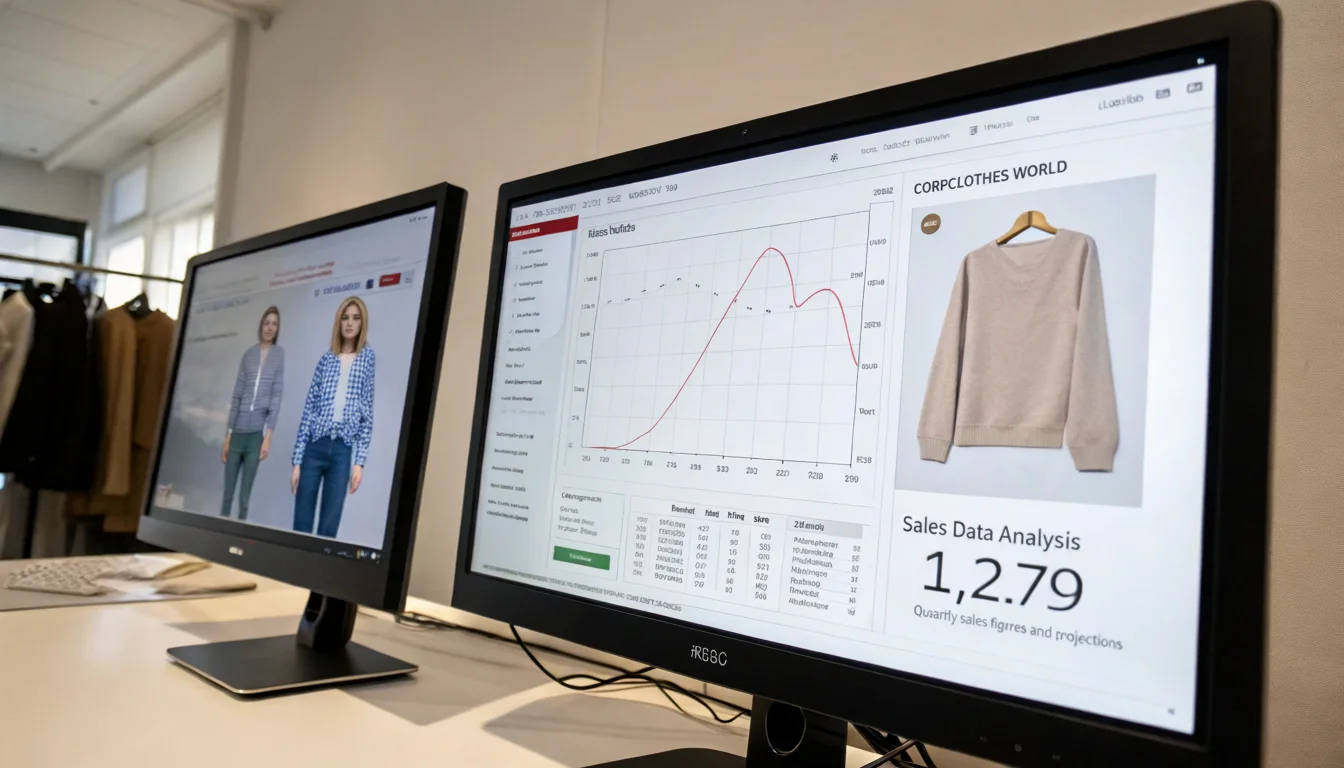
The market has fractured along several fault lines, each with its own theory of what shoppers actually need.
Size and fit recommendation tools (True Fit, Bold Metrics, Sizer, Bodi.Me) skip visual try-on entirely. They focus on reducing returns through better size matching, using algorithms trained on purchase and return data. Sizer reported conversion gains in a case study with Wacoal, which claimed "300 percent" increased accuracy—though the company doesn't specify the baseline, making the figure essentially meaningless.
2D image-based virtual try-on—Google's diffusion models, Walmart's Zeekit technology, the Shopify plugin ecosystem—uses AI to warp or overlay garments onto photos of users or stock models. This approach is fast and scalable. It also struggles with complex draping and can produce uncanny-valley results when fabric doesn't behave like fabric.
3D avatar systems (Reactive Reality, 3DLOOK, Style.me, BODS) create personalized digital twins from measurements or scans, then simulate garments in three dimensions. BODS, which partnered with Balmain and uses Unreal Engine plus AI, reported uplifts in a beta with Khaite. CEO Christine Marzano has positioned the platform for luxury brands that prioritize visual fidelity over plug-and-play convenience.
Augmented reality try-on has gained traction in footwear, eyewear, accessories, and beauty—categories where the product doesn't need to conform to body shape. ZERO10 has built AR mirrors and storefronts for brands like Coach (Tabby bag) and JD Sports with Nike, treating AR more as experiential marketing than pure e-commerce conversion. Wanna (WANNABY) offers an AR sneaker try-on app, Wanna Kicks, and partnered with Gucci on virtual-only sneakers. Warby Parker has used Apple's ARKit and TrueDepth for eyewear try-on in its iOS app since 2019.
Full apparel remains the hard problem. Getting a shirt to look right on a human body through a phone camera involves physics AR can't yet fake convincingly.
Show Me the Numbers
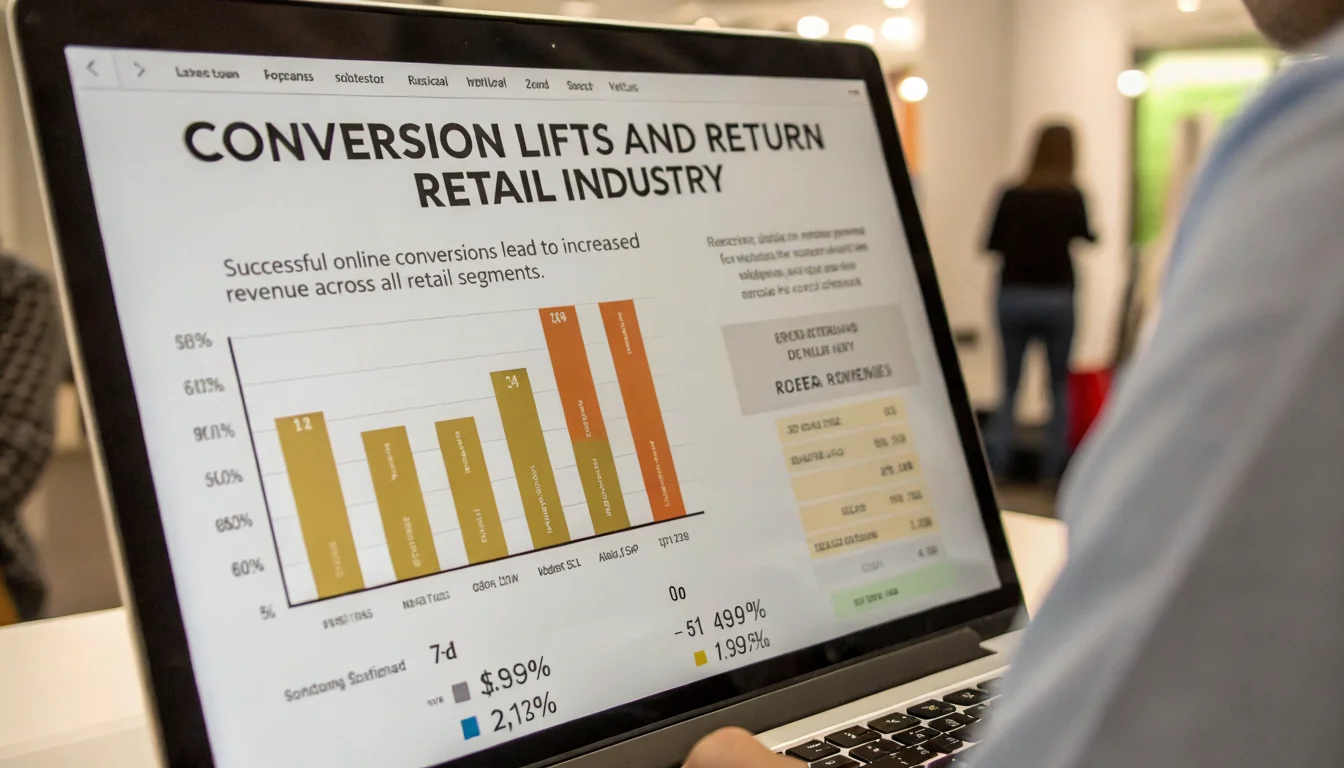
Claims of conversion lifts and return reductions are everywhere. Transparent data backing them up is not.
Reactive Reality says clients see over 50 percent conversion increases. 3DLOOK's TA3 Swim case showed a 47 percent drop in size-related returns. Bodi.Me, which focuses on workwear and uniforms, claims an 85 to 90 percent reduction in fit-related returns with its Size-Me platform. Bold Metrics touts 92 percent accuracy in size prediction.
These numbers exist in specific contexts—contexts that matter. Swimwear sizing is different from outerwear. Uniform purchasing for large workforces has different constraints than luxury fashion retail where fit is subjective and aspirational. The ROI calculation also depends on implementation complexity, SKU coverage, and whether the tool actually changes shopper behavior or just filters out uncertain buyers who would have returned items anyway.
Zalando's acquisition of Swiss body-scanning firm Fision (meepl) in October 2020 was meant to improve sizing accuracy through 3D scans. The company hasn't publicly disclosed outcomes—which tells you something. Google and Walmart haven't shared detailed return-reduction data from their virtual try-on tools, though both continue expanding the technology. That could mean the numbers are good but proprietary. Or it could mean the numbers aren't good.
What Amazon's Exit Really Means
Amazon's retreat from Try Before You Buy doesn't signal the death of physical try-on. It means the company believes AI fit tools—size recommendations, visual try-on, guided search—can reduce returns more cost-effectively than the reverse logistics of shipping items back and forth.
That's a hypothesis, not a proven fact.
The technology is improving, no question. Google's diffusion models handle draping and body diversity better than earlier warping techniques. Walmart's personalized photo upload creates a more tailored experience than generic avatars. 3D scanning and avatar tools are getting cheaper and more accessible through Shopify integrations and mobile apps.
But the market remains fragmented. Retailers face a choice between plug-and-play Shopify apps, enterprise platforms like True Fit or 3DLOOK, custom implementations with startups like Reactive Reality or BODS, or partnerships with tech giants. Some brands are layering multiple approaches—pairing size recommendation engines with 2D or 3D try-on visuals, hoping the combination works better than any single tool.
The question is whether any of these technologies will become infrastructure—something shoppers expect on every product page, like reviews or free returns—or whether they'll remain novelties deployed selectively for high-return categories and marketing moments.
Amazon's bet suggests the former. The startup landscape, with its mix of exits, pivots, and new entrants, suggests the market is still figuring it out. And until retailers start sharing real return data, the rest of us are left guessing whether the AI dressing room actually works—or whether it's just another expensive way to make shopping feel futuristic while margins keep shrinking.
Perhaps the most telling detail is what Amazon isn't saying: whether its AI fit tools will actually reduce returns, or whether they'll just shift the problem somewhere new.


