

The vertical farming industry has become something of a graveyard lately. AeroFarms limped through bankruptcy protection in 2023. Bowery, once a darling of the agtech set, reportedly went dark last year. Across North America, investors who'd poured billions into climate-controlled agriculture have mostly stopped returning calls.
Which makes what happened in Guelph, Ontario, on November 13 all the more curious.
GoodLeaf Farms—a microgreens producer that most Americans have never heard of—closed a C$52 million equity round that day, backed by Farm Credit Canada, McCain Foods, and Power Sustainable Lios. The capital will fund a doubling of production capacity at facilities in Calgary and suburban Montreal. In an industry littered with cautionary tales about unit economics and energy bills, GoodLeaf is not retrenching. It's expanding.
The company describes itself as Canada's only truly national vertical farming operation, with more than 280,000 square feet of production spread across three commercial farms. By this past April, demand for its pesticide-free greens had nearly doubled year-over-year—a growth curve that, in hindsight, seems to have prompted both the fundraising and the aggressive expansion timeline now targeting 2026.
A Sector That Lost Its Shine
Vertical farming's promise was seductive: grow fresh produce year-round in repurposed warehouses, eliminate pesticides, slash water use, and locate farms near urban centers to cut transportation costs. Venture capital flooded in during the late 2010s. Then reality arrived, often in the form of electricity bills and stubborn lettuce margins.
The financing window slammed shut over the past 24 months. High-profile U.S. competitors cycled through strategic pivots, layoffs, and in some cases outright collapse as energy costs collided with ambitious—perhaps unrealistic—growth plans. What had looked like the future of agriculture started to resemble another overhyped tech bubble.
GoodLeaf, though, has kept planting. And kept raising money.
The company added Farm Credit Canada as a strategic investor back in January 2025, months before announcing this latest C$52 million infusion. McCain Foods remains its largest shareholder after investing more than C$65 million by 2021. And Power Sustainable Lios, which led a substantial C$150 million round in December 2022, is still in the picture. That kind of repeat institutional backing suggests someone sees viable economics where others found only red ink.
McCain's sustained commitment is particularly telling. The Canadian frozen-food giant first dipped into GoodLeaf's parent company, TruLeaf, back in April 2018—when vertical farming was still mostly PowerPoint slides and pilot projects. McCain then doubled down repeatedly as the operation scaled from a single Guelph facility to a national network. Seven years later, they're still writing checks.
Betting on Microgreens and Scale
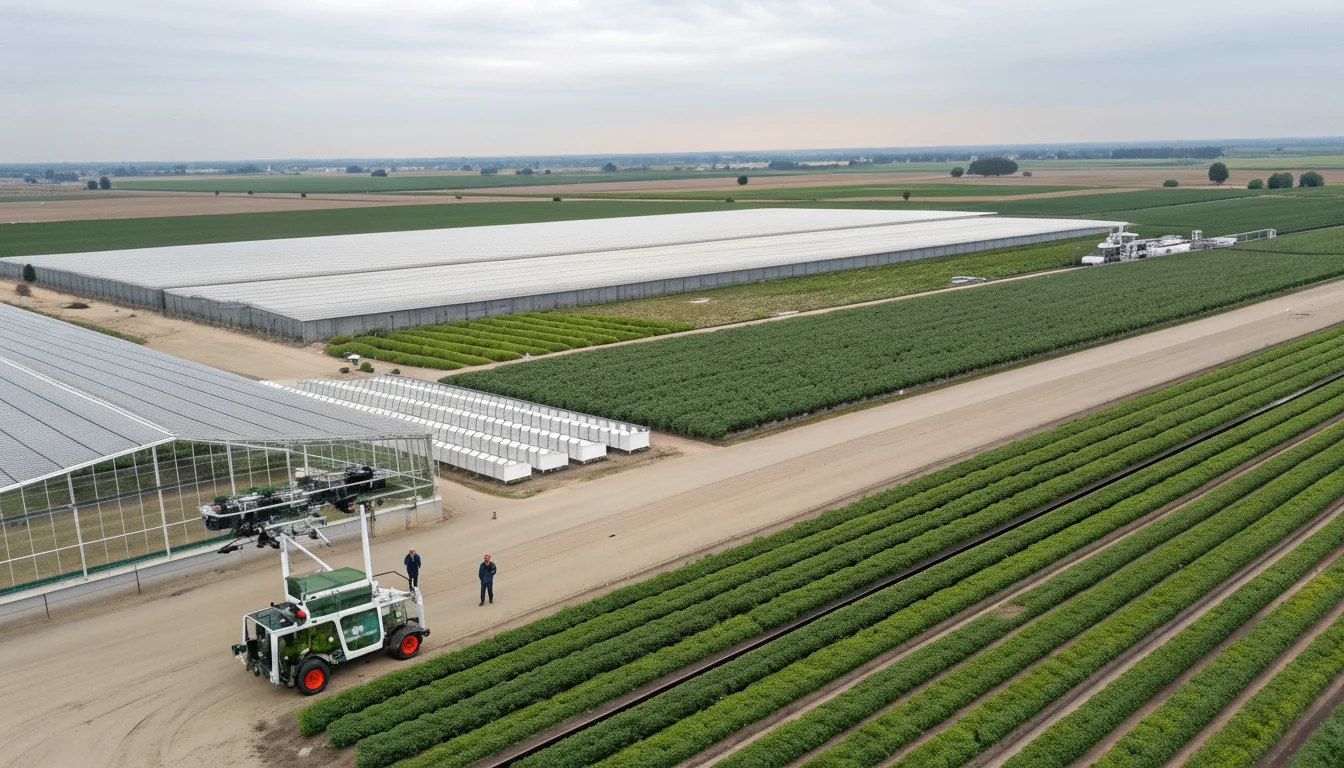
The fresh capital targets two initiatives: ramping production at GoodLeaf's Calgary and Longueuil farms, and establishing an Agricultural Centre of Excellence for R&D work in Guelph. The plan calls for doubling capacity at the two largest facilities sometime in 2026—an aggressive timeline that will test whether the company can execute at scale.
Each of the Calgary and Longueuil operations spans roughly 96,000 square feet. GoodLeaf says it's targeting more than 2 million pounds of annual production per farm, cycling through 40 harvests of microgreens and 20 of baby greens each year. If the math works, that's a lot of arugula and pea shoots.
Calgary hit full commercial production in late 2023. Longueuil planted test crops last August and started rolling products across Quebec grocers that same month. The planned expansion would push total output significantly higher from a current base of three operating farms serving over 2,700 retail locations nationwide—Loblaws, Sobeys, Metro, Whole Foods among them.
Whether those 2,700 doors translate to profitability remains an open question. GoodLeaf hasn't disclosed revenue figures or whether it's operating in the black.
The Import Angle
Canada imports roughly 90 percent of its leafy greens, with most arriving from the U.S.—primarily California. When weather events hit—floods, heat waves, crop disease—lettuce prices spike and supply chains tighten for Canadian grocers. GoodLeaf positions its climate-controlled, year-round production as a hedge against that volatility. It's a compelling pitch, especially to retailers burned by past supply disruptions.
Still, building and operating massive indoor farms isn't cheap. The company raised C$78 million in syndicated debt from CIBC and Farm Credit Canada back in May 2023, layered atop that C$150 million equity round from months earlier. Export Development Canada also took an equity stake in 2023 alongside Power Sustainable Lios. Add it all up, and GoodLeaf has pulled in substantial institutional capital—a feat that would have seemed routine three years ago but borders on remarkable today.
Andy O'Brien, who took over as CEO in July 2024 after running M&M Food Market, inherited this well-capitalized but still-unproven operation. He's now overseeing an expansion that will either validate GoodLeaf's model or stretch resources too thin.
Can Microgreens Succeed Where Lettuce Failed?
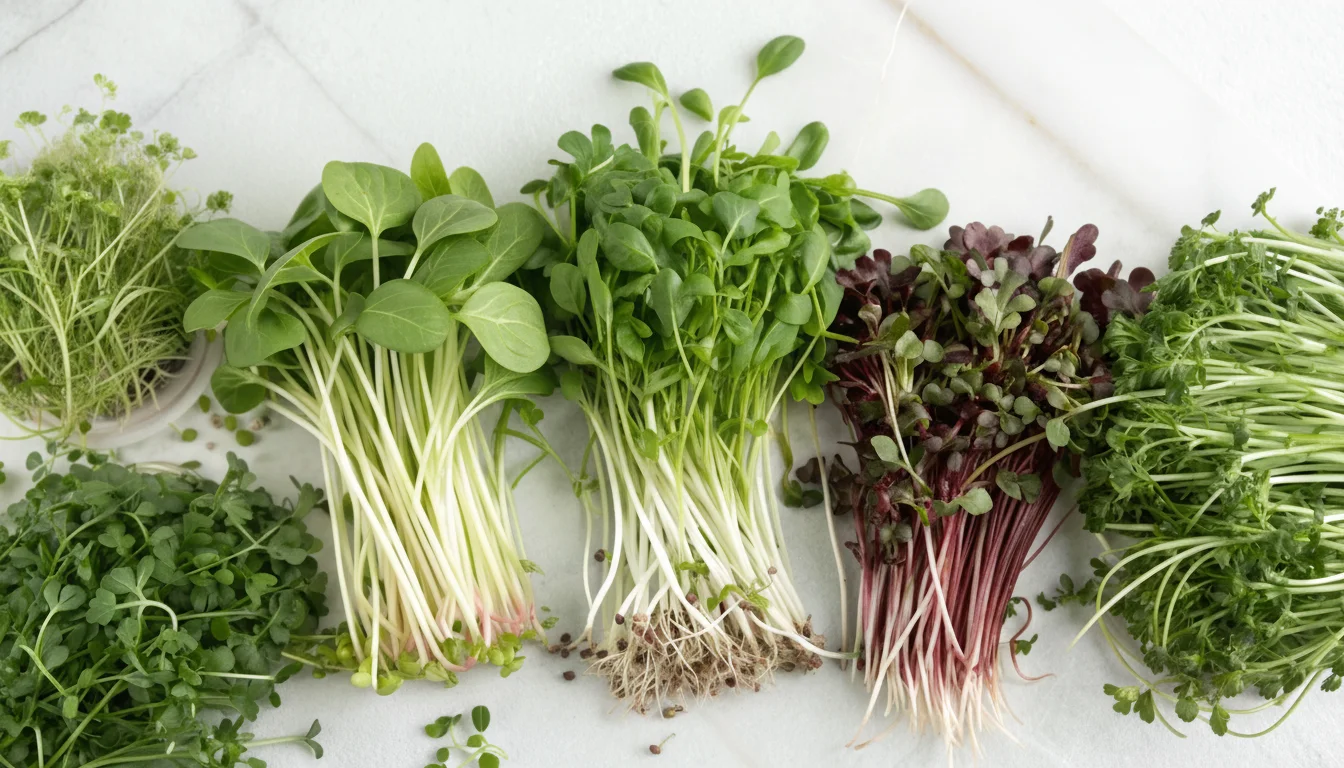
GoodLeaf's ability to attract repeat funding—Farm Credit Canada participated in both the January and November 2025 rounds—hints that institutional investors see something sustainable in its approach. Perhaps it's the narrower product focus: microgreens and baby leaves command higher margins than full-size lettuce heads, the category where many U.S. vertical farms stumbled. Or maybe it's simply better operational discipline.
The company has shifted leadership, doubled its farm count since 2022, and maintained distribution growth while U.S. peers retrenched or disappeared. The 2026 capacity expansion and new Guelph R&D hub will reveal whether that track record reflects genuine competitive advantage or just fortuitous timing.
Power Sustainable Lios, for its part, closed its North American agri-food private equity fund at roughly $285 million in mid-2024—a signal that at least some investors still see opportunity in controlled-environment agriculture, even if they're choosing bets carefully. McCain, meanwhile, remains committed after seven years and multiple funding cycles. That's either conviction or sunk cost fallacy. Probably some of both.
For now, GoodLeaf is planting, harvesting, and raising capital in an industry where most participants are doing none of those things. Whether the 2026 expansion cements its position as the rare vertical farming success story—or simply delays an inevitable reckoning—depends on variables the company hasn't made public: true unit economics, energy costs, and whether Canadian consumers will consistently pay premium prices for locally grown microgreens.
The sector will be watching. So will the creditors.


