

The panels unfurling across Studiopepe's "Fòco, Living Notes" installation last April looked nothing like the fungal mats that made Mogu's name. No mycelium fibers, no spores—just hemp, pressed and bound, climbing the walls of Milan's Archiproducts showcase during Design Week. For a company that spent years evangelizing the gospel of grown-not-manufactured materials, the shift felt deliberate.
This was Kana, Mogu's gambit into plant fiber acoustics, and the Inarzo-based startup wasn't shy about its pitch: specify 200 square meters of these panels, the company claimed, and you'd sidestep a full ton of CO₂ emissions. Bold math for a product launch—though the underlying methodology and certification for this claim weren't publicly available at the time.
When Mogu's product page went live on May 12, the technical details arrived alongside the marketing poetry. Kana panels, the company said, are roughly half European-sourced hemp fiber, half biodegradable binder, with thickness options at 10mm or 20mm and a clay-based paint finish available in any shade from the NCS color system. Sizes range from 600×2400mm up to a 1200×2800mm "OVERSIZE" format. Fire classification: B-s2-d0 under European standards. Textures carry tree names—Ginkgo, Sequoia, Cedar—because biomaterials companies can't resist a nature metaphor.
But here's where things get interesting, or at least murky. That one-ton carbon savings figure appears on Mogu's website and got repeated in MaterialDistrict's April 27 coverage. The underlying life-cycle assessment? Not published. The methodology—system boundaries, biogenic carbon accounting, end-of-life assumptions—remains a black box. Mogu's technical data sheet mentions "full certification available April 2026," along with a biodegradation certificate for the PE fiber "available upon request." In other words: trust us, the data's coming.
Then there's the plastic-free claim, which deserves a closer look. Marketing copy calls Kana "plastic-free," yet the technical sheet lists "Hemp + biodegradable PE fiber" in the composition, clarifying that only the surface is plastic-free. Whether biodegradable polyethylene clears the bar for "truly plastic-free" under industry standards—well, that's the kind of semantic thicket architects and specifiers live to parse. Mogu isn't being dishonest exactly, but the language around "plastic-free surface" versus composition feels like it's doing some work.
Late to the Hemp Party
If Mogu hoped to plant a flag as the first mover in hemp acoustics, they're a few years behind. Dutch manufacturer Vepa, working with Plantics, rolled out 100% plant-based hemp panels with bioresin in May 2025. German ceiling specialist OWA announced its nOWAcoustic Natura hemp straw panels back in January 2026. New Zealand's Silentlith Acoustic Pro uses hemp shives with a cement-free mineral binder. Denmark's HÆMP offers modular hempcrete systems. Even academic journals are piling on—Sustainability published a hemp fiber acoustics review in January 2026, followed by a Journal of Building Engineering analysis of hemp-hurd cement boards in February.
The rush makes sense. Hemp's fibrous structure is a natural sound dampener, its cultivation is light on water and pesticides compared to conventional crops, and it pulls carbon out of the air as it grows. Revalu's February market report flagged "hemp acoustic panels" as a rising trend, reflecting appetite among specifiers for bio-based alternatives to mineral wool and petrochemical foams. The material's moment has arrived—Mogu is simply joining the crowd.
A Mycelium Company, Hedging
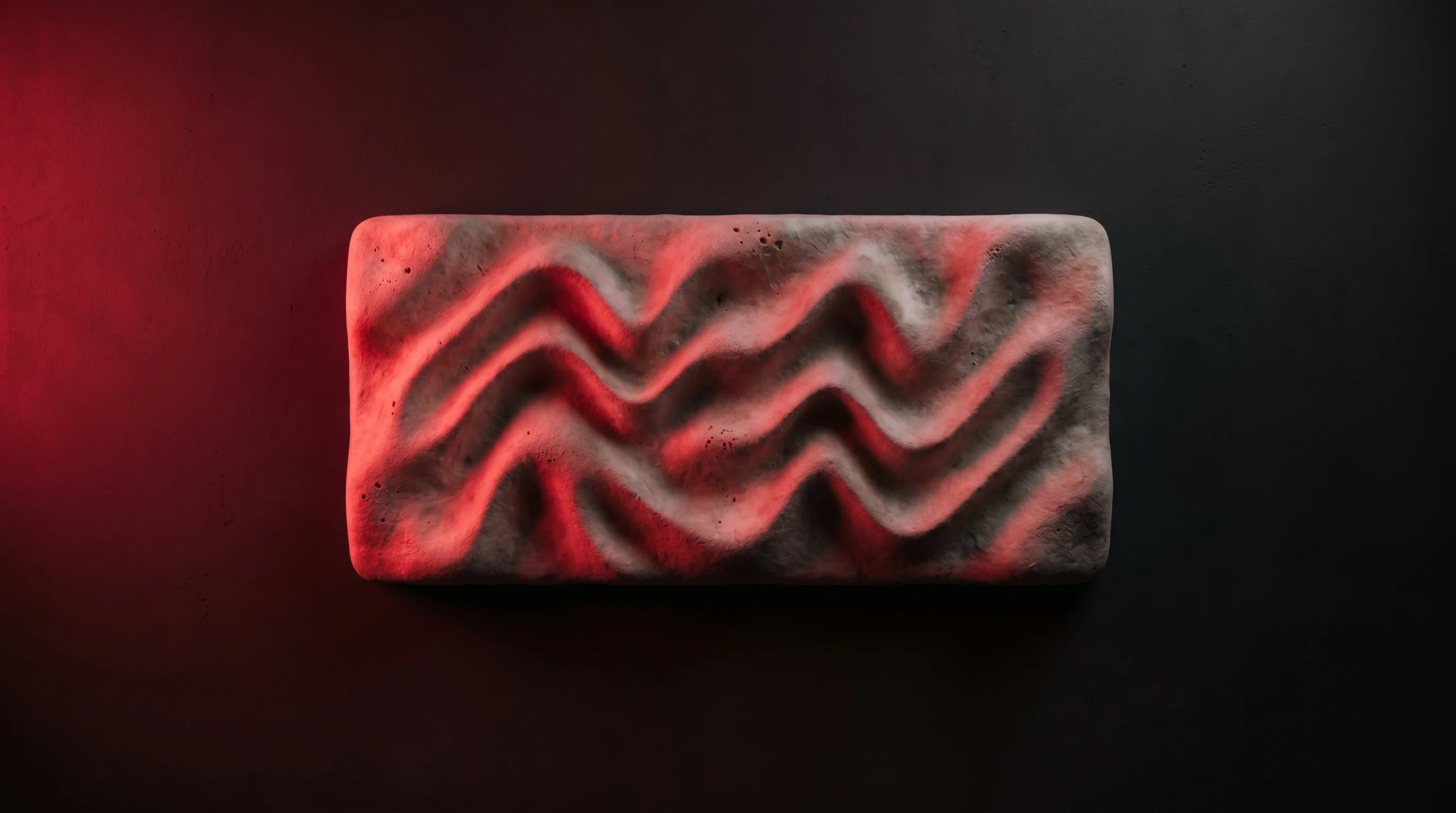
For a firm that built its identity around fungal innovation, Kana marks a notable pivot. Mogu made its bones with mycelium-based acoustic panels—Wave, Fields, Kite, the Foresta system—first unveiled in 2019 and refined through successive iterations. Co-founders Stefano Babbini (CEO) and Maurizio Montalti, whose title is genuinely "Chief Mycelium Officer" and who runs the design lab Officina Corpuscoli on the side, have spent years championing the weird science of grown materials. Kana suggests the 11–50 person team is diversifying its feedstock portfolio, hedging against the possibility that mycelium alone won't carry the company to scale.
That strategic breathing room got easier in January 2024, when Mogu closed an €11 million Series A led by CDP Venture Capital and the European Circular Bioeconomy Fund, with checks from Kering Ventures and Progress Tech Transfer. The capital was earmarked for a demonstration plant, hiring, and R&D—the kind of infrastructure investments that likely underwrote Kana's development cycle. Whether that funding runway proves sufficient depends on how quickly hemp panels find commercial traction.
The Fine Print
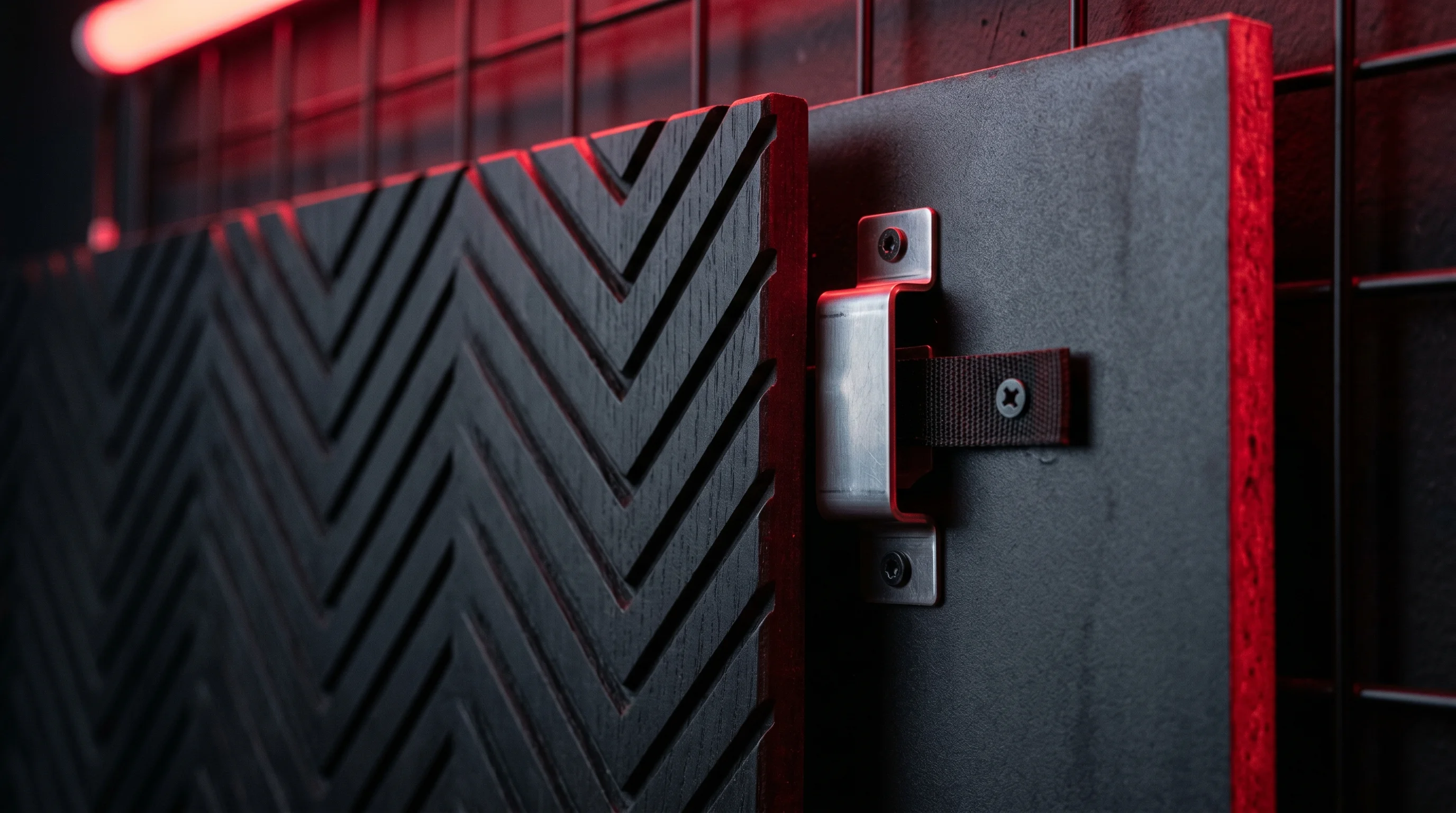
Mogu's installation manual lays out the mechanics: wall adhesive, fastening straps with hook-and-loop, Z-clips for vertical surfaces, standard grid systems for ceilings. Custom cuts are available. The panels ship in V-cut patterns—Arco, Chevron, Organic—though pricing remains conspicuously absent from public materials. Mogu's U.S. representative, Habitat Matter, lists the company among its sustainable acoustic vendors but hasn't yet posted Kana-specific pages or lead times. Sample ordering is live on Mogu's site, though independent lab reviews haven't surfaced in trade press or acoustical engineering forums.
What's evident is that Kana enters a market where hemp-based materials have momentum but limited proof of commercial durability at volume. The convergence of manufacturers around hemp acoustics could signal either validation of the material's viability or a speculative bubble that hasn't yet met the realities of supply chain consistency, cost competitiveness, and long-term performance data. Mogu's CO₂ narrative and biodegradability angle will resonate with specifiers only if the company opens the hood on those claims—and if the panels hold up in installed projects over time.
For now, the competition among hemp panel makers is less about being first and more about being believed. Mogu has brand equity from its mycelium work and venture backing to sustain the push. Whether that's enough to differentiate Kana in a suddenly crowded field—well, the market will render its verdict soon enough. Perhaps sooner than the company expects.


