

On a LinkedIn post in mid-May, the French prosthetics startup Hopper did something unusual: it teased a product that wasn't quite ready, using language that felt deliberately vague. "The foot that puts movement at the heart of everyday life," the company wrote, tagging the announcement with both #Dailyfoot and #Sportfoot.
That hedging—the refusal to commit to a single category—may be the entire point.
Hopper built its name making carbon-fiber running blades for amputee athletes, the kind who tackle ultramarathons across Sahara sand or up mountain switchbacks. But OUTSIDER, the prosthetic foot the company has been developing for the past year, signals something different. Not a pure athletic tool. Not quite an everyday foot either. Something in between, perhaps—a bet that the prosthetics market has room for devices that don't force users to choose.
Whether that bet pays off depends on questions the Albi-based startup hasn't answered yet: What will OUTSIDER actually cost? When can someone buy one? And can a company with maybe ten employees challenge the incumbents who've dominated lower-limb prosthetics for decades?
The Shift Beyond Sport
Hopper's existing catalog tells you where it came from. The Audacieuse and Intrépide models—running blades designed for above- and below-knee amputations—weigh around 740 to 840 grams, handle users up to 110 kilograms, and come rated for water exposure and two million load cycles. They're built from aerospace-grade carbon fiber that Airbus supplies, often upcycled material from its manufacturing process. PROTEOR, Hopper's U.S. distributor for running products, describes them as "more versatile than a typical running blade, more dynamic than a sport foot."
That descriptor hints at the tension OUTSIDER is trying to resolve. High-performance blades work beautifully for running but sacrifice the articulation and hydraulics that make conventional prosthetic feet easier for walking, standing, navigating stairs. Daily-use feet, meanwhile, rarely deliver the spring and energy return athletes crave.
The market has noticed the gap. Ottobock launched its Taleo Adapt hydraulic foot last year. PROTEOR introduced the ETHOS LP low-profile model around the same time. WillowWood, working with University of Washington researchers, developed the META Arc to handle uneven terrain for non-athletes. Hopper appears to be approaching the problem differently—leaning into carbon performance rather than hydraulics or complex articulation systems.
A Year With Familiar Partners
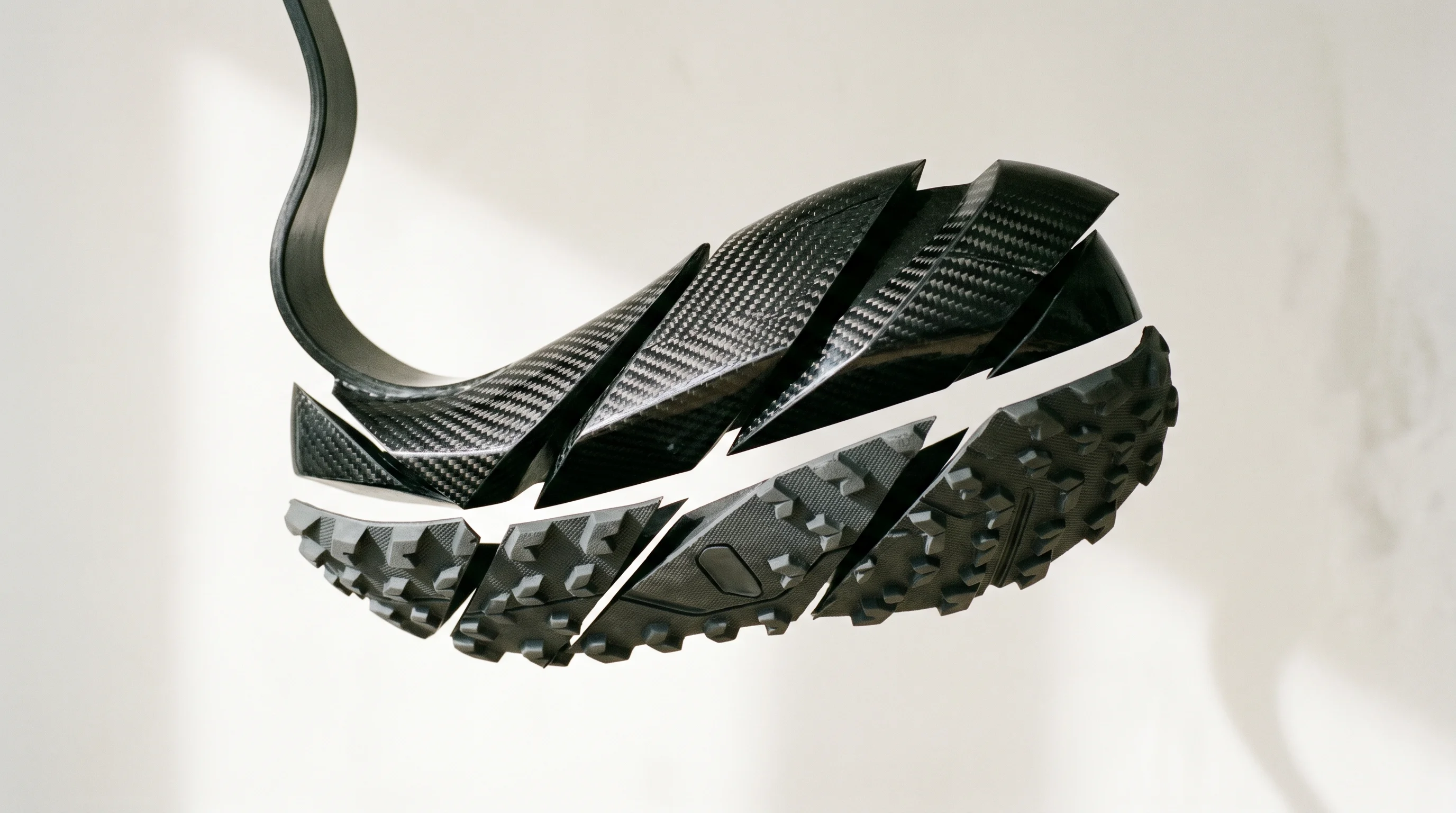
Hopper didn't develop OUTSIDER alone. The same collaborators who helped refine its running blades came along for this project: Salomon contributed outsole expertise drawn from adaptive trail work, Airbus supplied the carbon fiber, and PROTEOR is tagged as a launch partner, likely managing clinical distribution if and when the device reaches market.
The timeline feels intentional, if a bit opaque. About three weeks before the May announcement, Hopper introduced Jérémy Mourrejeau as the first ambassador of what it called the "Outsider mindset." Mourrejeau had just finished the Marathon des Sables—270 kilometers across the Sahara in just under 60 hours, completed on Hopper equipment. That kind of extreme proving ground offers useful data for materials and design, even if most future OUTSIDER users will never set foot in the desert.
No specifications have been released. No pricing. No ship date beyond "soon available," which in startup parlance means anything from next month to next year. Hopper's website still lists an "Upcoming products" page with no detail on OUTSIDER. No press release has surfaced. No regulatory filings, either, at least not publicly.
French press coverage from 2022 suggested Hopper's running blades retailed around €2,000, though current pricing isn't listed anywhere. For context, advanced prosthetic feet from major manufacturers can range from a few thousand to over ten thousand dollars depending on features and materials.
Small Company, Big Ambitions
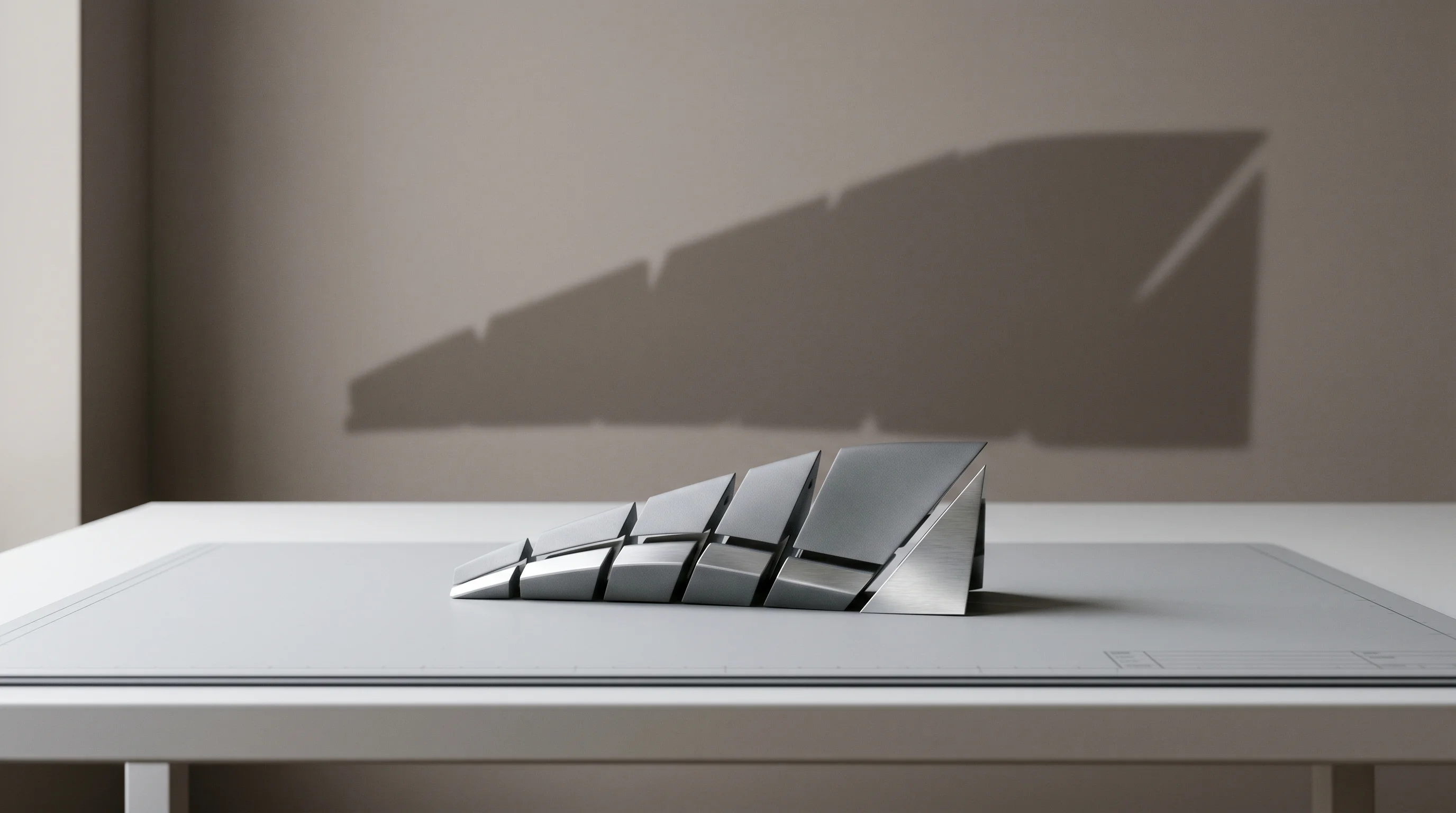
Hopper started the way many hardware startups do: as a student project. Founders Victor Premaud and Hugo Roche were engineering students at IMT Mines Albi when they began building prototypes, funded initially through crowdfunding and about €35,000 in early backing. They secured partnerships with Airbus and Salomon, connected with Dassault Systèmes' 3DEXPERIENCE Lab for composite modeling, and eventually landed distribution deals with PROTEOR and the Steeper Group for international reach.
Recognition followed. Forbes included Hopper on its Accessibility 100 list in 2025. French Tech Lille gave the company a Prix d'Excellence Handi Tech designation earlier this year. Salomon featured the collaboration in a Footwear Magazine profile, framing it as "shaping new futures"—the kind of aspirational language brands use when they want credit for doing good but haven't quite figured out the business model yet.
The broader prosthetics market offers some reassurance that demand exists. Grand View Research has estimated the lower-limb prosthetics sector at $1.18 billion in 2023, projecting growth to $1.63 billion by 2030. Foot prosthetics specifically may expand from around $700 million to nearly $1.2 billion over the next decade, according to Fortune Business Insights. Some of that growth stems from unmet global need—the Clinton Health Access Initiative documented substantial gaps in assistive technology access in its recent market report.
But growth projections don't automatically translate to startup success, especially for a small French company entering a market dominated by established players like Ottobock and Össur. Those firms have decades of clinical relationships, extensive patent portfolios, and manufacturing scale Hopper can't match.
The Practical Questions
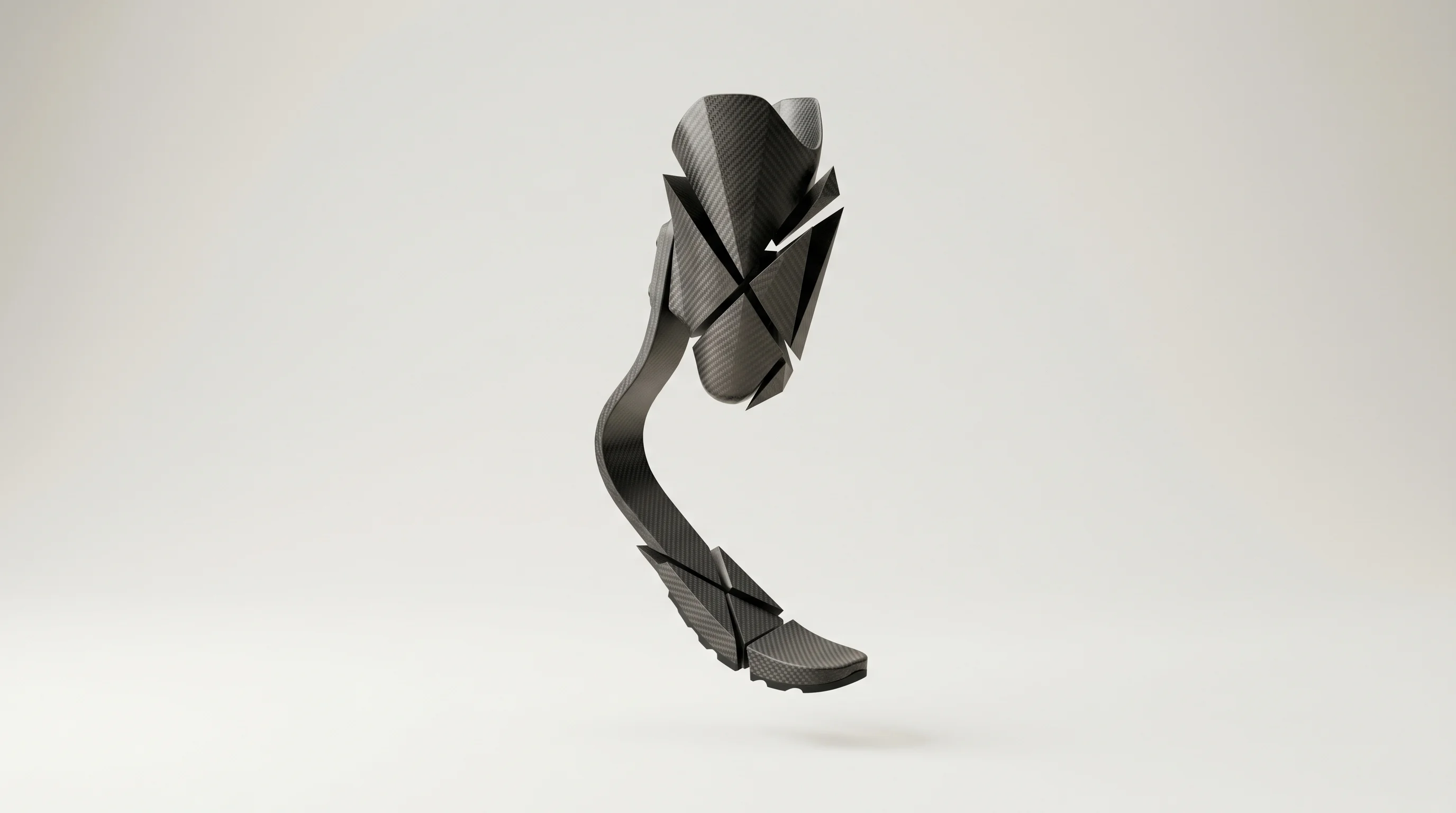
For prosthetists and medical device investors, OUTSIDER raises straightforward concerns. Can upcycled aerospace carbon really offer advantages over conventional composites at the volumes needed to serve a daily-use market? Will insurance reimbursement pathways—already complicated for Hopper's running blades, which use the unlisted L5999 code in the U.S.—expand to cover a hybrid device that doesn't fit neatly into existing categories?
And perhaps more fundamentally: Do users actually want what Hopper is offering? The company seems to be betting that amputees are tired of choosing between performance and practicality, that someone exists who wants a foot capable enough for trail running but comfortable enough for grocery shopping. That person might exist. Or the market might prefer specialization—one foot for sport, another for daily life, switching as needed.
Hopper's teaser suggests confidence that the middle ground is viable. The company has delivered products that athletes use in genuinely extreme conditions. Mourrejeau's Sahara finish proves that much. Whether that performance DNA translates to everyday adoption is another matter entirely.
For now, OUTSIDER remains more concept than product—a LinkedIn post with hashtags, a promise that something is coming soon. The device's specifications, price, and availability will determine whether Hopper's ambition to bridge sport and daily life becomes a legitimate market category or just another startup pivot that sounded better in theory than practice.
The company knows where it wants to go: into the gap between running blades and conventional feet, where movement matters beyond competition. Whether anyone is waiting there to meet them is still an open question.


