

The power grid, long an afterthought in the infrastructure conversation, is suddenly center stage. And a Sydney-based software startup thinks it has the answer—or at least, part of it.
Neara, which builds hyper-accurate digital replicas of electrical networks, just secured roughly USD 63 million in fresh capital, catapulting the nine-year-old company into rarified air: unicorn status, with a valuation hovering around AUD 1.1 billion. The Series D round, announced February 10, was led by TCV, the California growth equity firm that's quietly assembled a portfolio of Australian enterprise bets including Employment Hero and SiteMinder.
Perhaps more telling than the dollars is the timing. Utilities are being squeezed—hard—from two directions at once. On one flank, AI-driven data centers are devouring electricity at unprecedented rates; the International Energy Agency estimates their global demand could hit 945 terawatt-hours by 2030, more than double current consumption. On the other: climate chaos. Wildfires in California, hurricanes slamming Texas, floods submerging Australian towns. Infrastructure built for last century's weather patterns is buckling.
"Data centers and extreme weather are squeezing grids from both sides," as the Wall Street Journal recently framed it. That convergence is what makes Neara's pitch compelling to investors—and apparently, to utilities themselves.
Modeling Millions of Miles
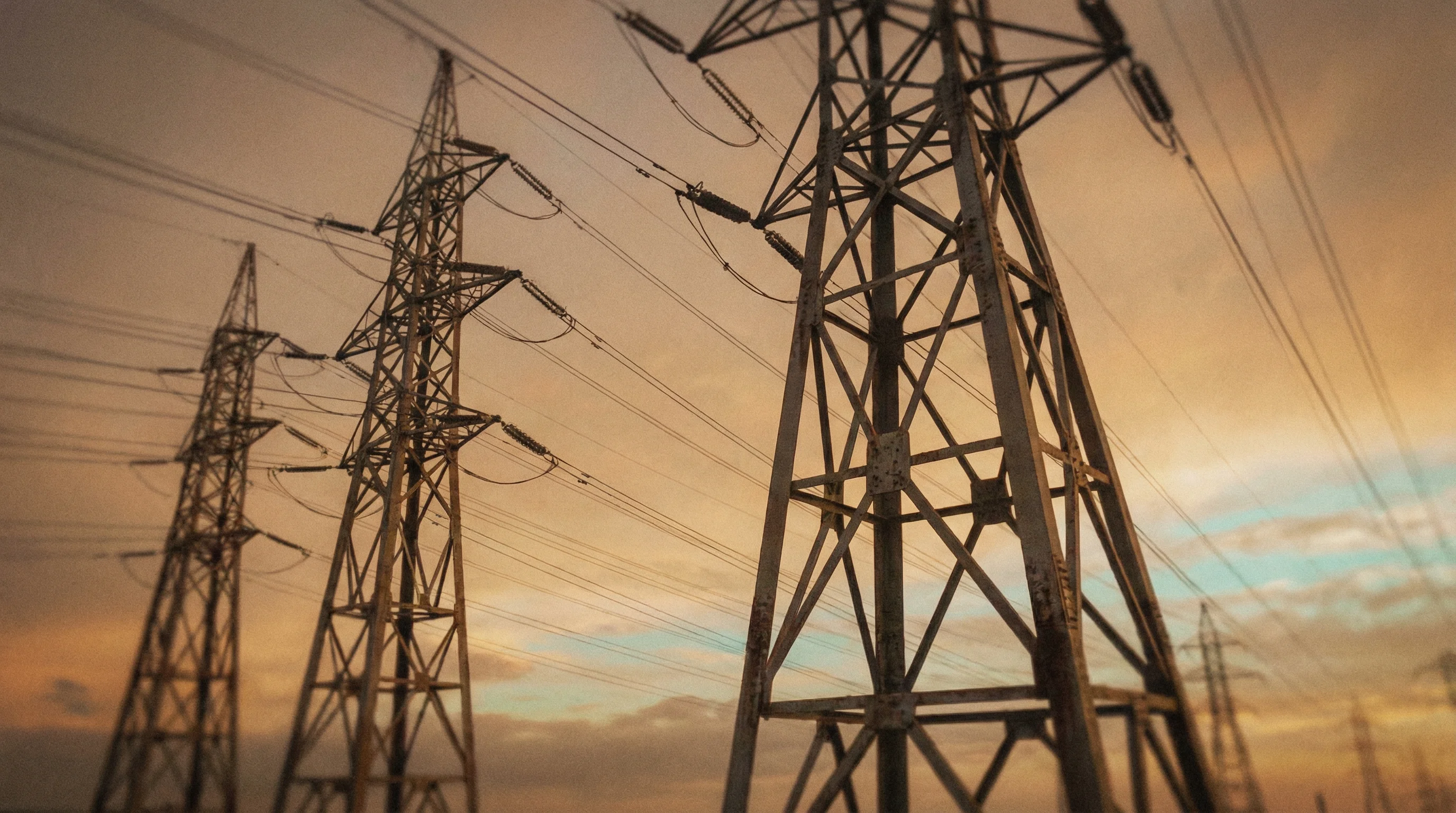
What Neara does sounds deceptively simple. The company creates what the industry calls "digital twins"—3D models of entire power networks, geometrically precise down to individual poles and wires. But these aren't static blueprints. They're physics-enabled simulation environments where utilities can model storms, wildfire spread, flooding scenarios, even the stress of connecting new renewable energy sources to aging infrastructure.
Dan Danilatos, a former Google engineer, co-founded the company in 2016 alongside Jack Curtis and Karamvir Singh. Since then, Neara has mapped more than 15 million assets spanning 3 million kilometers of network across four continents. Close to 90% of Australia's electricity utilities use the platform. In the U.S., marquee names like Southern California Edison and CenterPoint Energy have come aboard. Ireland's ESB Networks is deploying it to future-proof against climate risks.
The value proposition, according to company data: network design cycles that run 85% faster, power restoration that's three times quicker. During flood events, utilities have used Neara to analyze thousands of network sections in minutes—work that once took days or weeks.
Betting Big on the Grid
TCV's lead check brings Neara's total funding to approximately AUD 180 million, a substantial war chest for a company that raised USD 31 million just 15 months ago in its Series C. Joining TCV were repeat backers Partners Group, EQT, Square Peg Capital, and Skip Capital, a mix that spans geographies and investment strategies.
The capital will fuel an aggressive hiring push—up to 100 new employees, many of them machine learning and AI engineers, atop a current base of roughly 200. Neara is also accelerating its go-to-market operations in the U.S., U.K., and Europe. And there are hints of lateral expansion: the company is eyeing rail and telecommunications infrastructure, adjacent sectors facing similar modeling challenges.
It's the kind of ambition that earned Neara a spot on TIME's 100 Most Influential Companies list in 2024, recognized specifically for its climate resilience work. Case studies from utilities reveal networks doubling their renewable energy capacity without laying new infrastructure—just by using better data to identify where slack exists in the system.
An Unsexy Problem Gets Attention
There's something quietly radical about investors pouring tens of millions into software for power grids, an industry long starved of capital and innovation. For decades, utilities operated as sleepy regulated monopolies. Now they're being asked to simultaneously decarbonize, harden against climate shocks, and accommodate explosive new loads from data centers and electric vehicles.
That's a recipe for either catastrophic failure or a massive market opportunity, depending on your vantage point. TCV and its co-investors are clearly betting on the latter. Whether Neara can deliver on that promise—scaling from dozens of utility customers to hundreds, expanding beyond electricity into other infrastructure, justifying a billion-dollar valuation—remains the open question.
But for now, at least, the grid is getting its moment. And the money is following.


