

The construction crane and the combine harvester don't usually share the same plot of land. But that's precisely the vision Feldwerke is betting on.
The Munich-based agri-photovoltaic developer recently closed a €12 million revolving credit facility from an unnamed French renewable energy debt fund—a debt line, not equity, structured to bankroll roughly 100 megawatts of solar installations on working farmland over the next 18 months. The real story isn't the size of the facility; it's the revolving mechanics. Feldwerke can draw down funds for construction, commission a project, then repay the line with proceeds from selling the asset to institutional buyers, effectively recycling the same capital across a procession of builds.
r2 Advisors acted as exclusive financial advisor on the transaction, which was announced earlier this year. It's a structure that would make any CFO nod in approval: growth without dilution, at least for now.
Tractors Beneath Trackers
Founded in 2023, Feldwerke develops utility-scale agri-PV systems that suspend single-axis solar trackers between 2.8 and 3.5 meters off the ground—high enough that wheat, barley, and even some specialty crops can grow underneath. The company claims 85 to 90 percent of the land remains agriculturally productive, a pitch designed to ease the political friction that ground-mount solar often encounters in rural Germany. Battery storage gets folded into many projects, too, smoothing grid profiles and tapping ancillary service revenue.
The Munich team numbers approximately 22 people, led by three co-founders: Marco Mielenz (Business Development), Nicolai Reiners (Technology), and Nils Kuchenbuch (Finance & Operations). Kuchenbuch's background in structured finance shows in the deal's architecture. Instead of lining up project-by-project debt or selling equity to fund a pipeline, Feldwerke built a facility that breathes: capital in, asset out, repayment, repeat.
It's a model borrowed from European renewables playbooks, where developers routinely flip commissioned plants to infrastructure funds or insurance portfolios hunting for stable, inflation-linked cash flows.
Building, Selling, Building Again
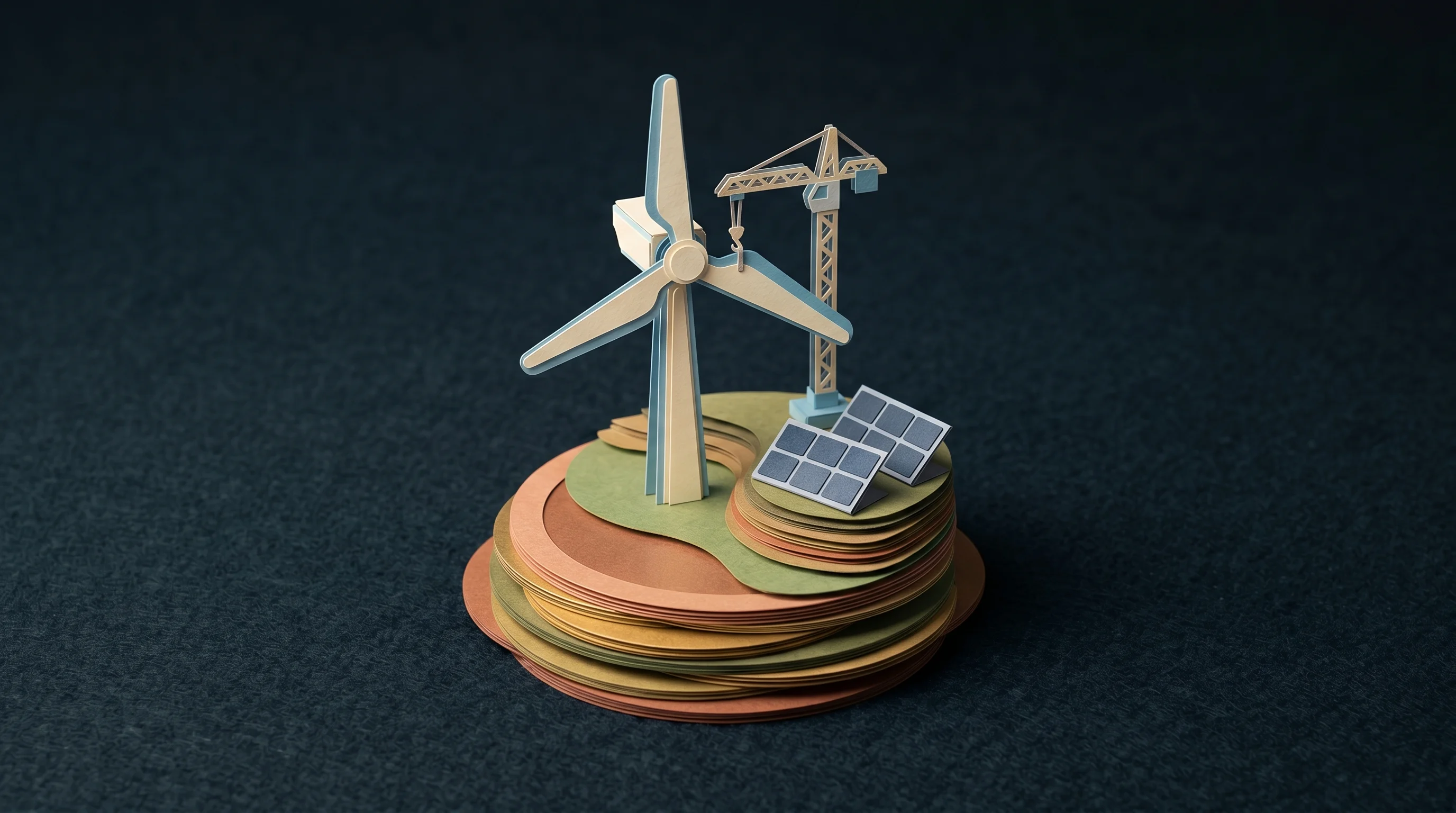
The €12 million will finance working capital for that 100 MW pipeline, slated for buildout over the next 18 months. Each time a project hits commercial operation, Feldwerke plans to sell it off—transferring ownership to long-term holders while using the sale proceeds to pay down the credit line and unlock capacity for the next batch.
The company says it has already installed more than 20 MW and carries a development pipeline exceeding 400 MW across roughly 50 projects. The pipeline stretches beyond Germany's borders; Italian media have noted Feldwerke's interest in the Italian market, where the government's PNRR agrivoltaic program is targeting more than 1 gigawatt in the near term.
Whether all 50 of those pipeline projects will actually get built is another question. Development pipelines in renewables are famously elastic—subject to grid connection delays, permitting snags, and sudden shifts in power-purchase economics.
A Bavarian Flagship
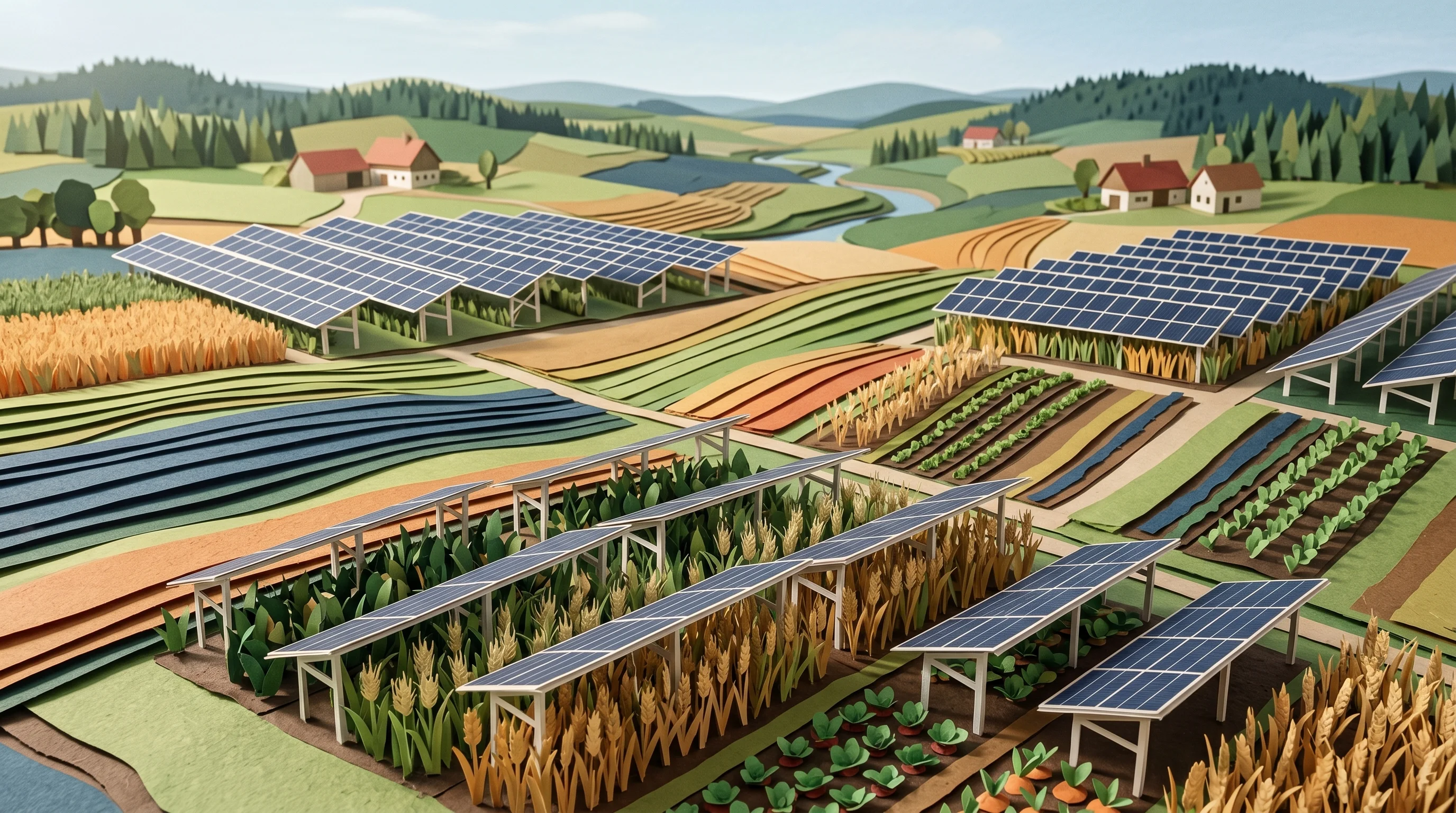
Feldwerke commissioned a 17 MW agri-PV plant at Oberndorf am Lech in Bavaria late last year and into this year, labeled at the time as Southern Germany's largest. The project sprawls across about 28 hectares, maintains 90 percent agricultural use, and is now owned by independent power producer clearvise AG. MaxSolar handled engineering, procurement, and construction; Feldwerke provided development, construction oversight, and ongoing operations and maintenance.
That single project accounts for the bulk of Feldwerke's installed capacity to date. The quick progression—from first megawatts in 2025 to a 100 MW near-term construction slate—reflects both the pace of Germany's agri-PV buildout and the confidence of debt providers in the underlying model. Germany's official solar target calls for 215 GW by 2030, and ground-mount agri-PV benefits from recent policy reforms that have streamlined permitting, at least on paper.
Still, execution is everything. Construction timelines slip. Grid operators drag their feet. Farmers sometimes get cold feet when they see steel going into soil they've worked for generations.
Scaling Without Selling
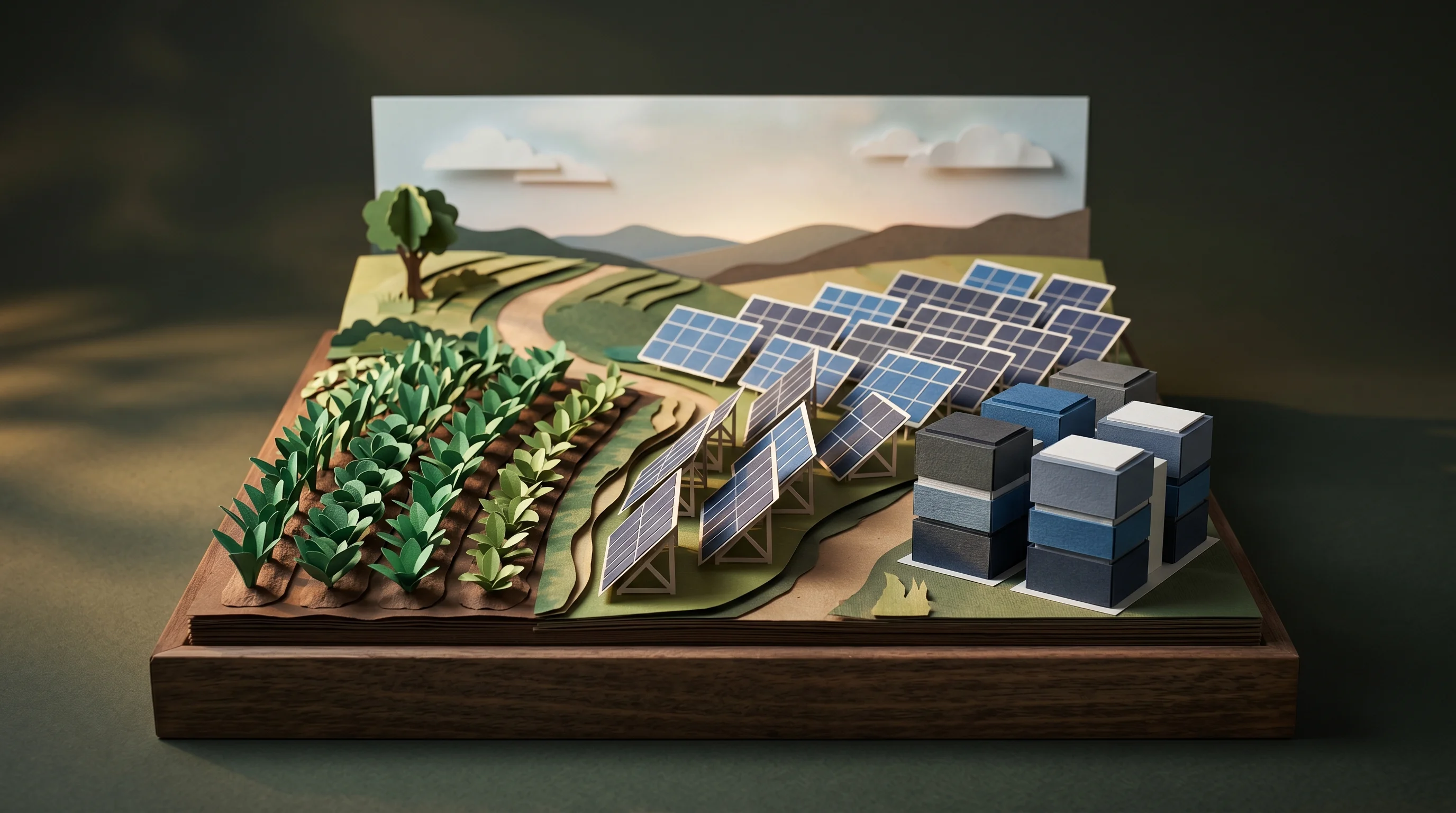
Feldwerke has publicly set a target of 1 GW of agri-PV capacity and a comparable volume of battery storage by 2030. Those figures are company ambitions, not contractual commitments, and should be read as such. The revolving credit line gives the firm a lever to scale without immediately selling equity—preserving founder ownership while stress-testing the develop-build-flip model across multiple sites.
The Italian expansion signals ambitions beyond home turf, where competition in the agri-PV space is heating up. Next2Sun, BayWa r.e., and France's Sun'Agri are all active in the segment. The question is whether Feldwerke's single-axis tracker approach and its financial engineering can carve out a durable niche, or whether the company will end up as acquisition bait once the pipeline matures.
For now, the €12 million line and the 400 MW pipeline suggest Feldwerke has found early traction—with both farmers willing to lease land and financiers willing to back the concept. Whether that traction translates into gigawatt-scale success is a story that will unfold over the next few harvests.


