

When Rihanna's Fenty Hair quietly dropped on June 13, 2024—technically June 10 for early access, though who's counting—the timing seemed almost confrontational. Just four months earlier, Beyoncé had unveiled Cécred, her own science-backed haircare line. Olaplex and K18, the bond-repair juggernauts, already commanded cultish devotion. And the prestige haircare market, while growing at a healthy 9% clip according to Circana, was hardly underserved.
Yet here was Rihanna, whose billionaire status rests largely on Fenty Beauty's $1-2 billion valuation, doubling down on a second category. Not extensions of her makeup empire—an entirely separate battlefield, one where the rules are different and the competition fiercer.
The question isn't whether Rihanna can sell haircare. Of course she can. The question is whether Fenty Hair can build the kind of ingredient credibility that turns a celebrity launch into a lasting franchise.
The Science Play—Or the Attempt at One
At the heart of Fenty Hair sits Replenicore-5, a proprietary complex that sounds impressive on paper: amino acids, hydrolyzed vegetable protein, Barbados gooseberry, upcycled jackfruit extract, green tea. Unlike Olaplex's singular patented chemistry or K18's peptide technology, Fenty's approach is breadth over depth—five components infused across every single SKU, from shampoos to styling gels.
The clinical claims follow a familiar prestige playbook. The Protective Type heat protectant? Repairs 92% of split ends in two uses, protects to 450°F. (Study size: 29 people, one week.) The Rich One shampoo earned 100% agreement on improved health, softness, and shine—albeit from 30 participants over seven days. The Comeback Kid bond treatment, positioned as the Olaplex killer, promises up to 75% damage improvement and 72% stronger hair.
Are these numbers meaningful? Maybe. Are they the kind of ingredient story that makes hairstylists evangelize unprompted? That's the harder sell.
Fenty Hair checks the requisite boxes—vegan, sulfate-free, silicone-free, cruelty-free—and nods toward sustainability with 100% PCR aluminum bottles and 50% PCR plastics. In prestige beauty, these aren't differentiators. They're table stakes.
Pricing for Prestige (or Just Premium?)
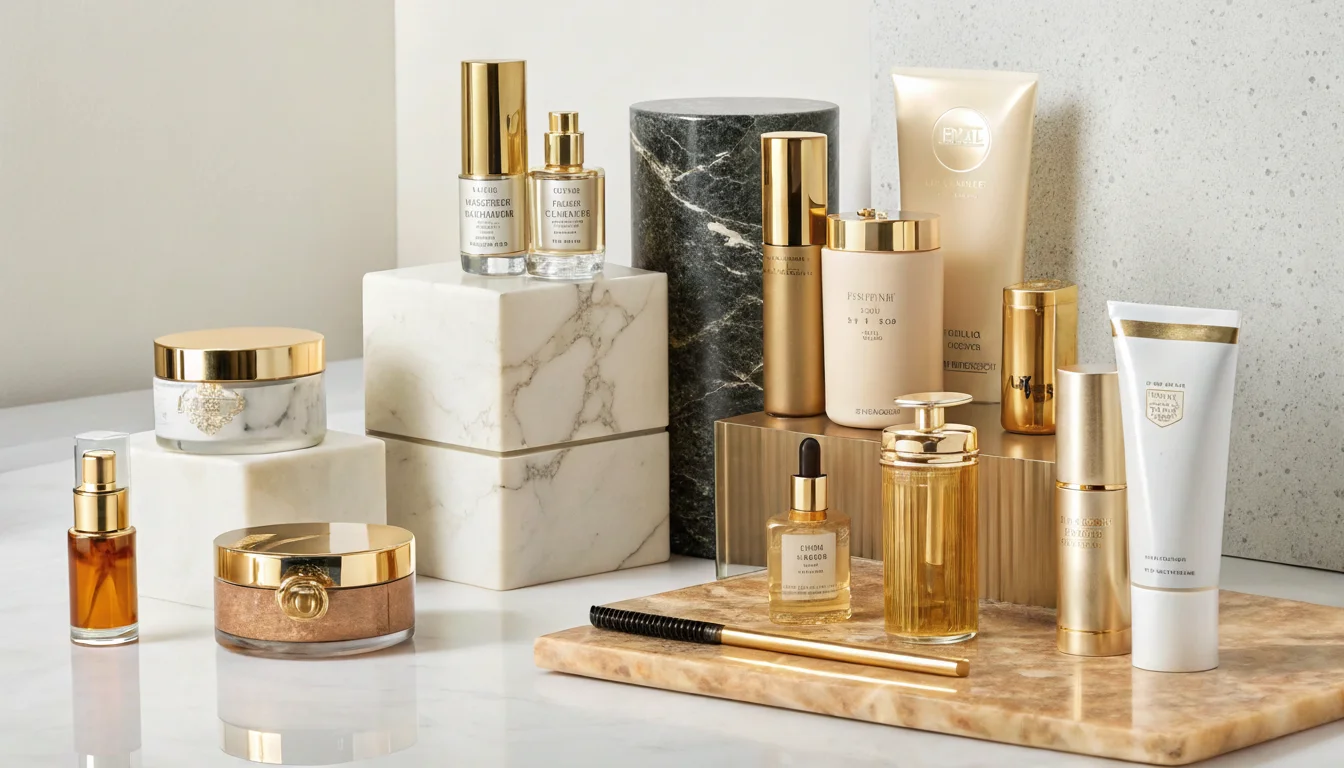
The initial June launch included nine products, priced firmly in premium territory. At Sephora, The Rich One shampoo commands $45 for 10 ounces. The Comeback Kid treatment hits $53 for just 5 ounces. Edge control, mercifully, sits at $19. UK buyers see conditioners around £29.
That's Olaplex pricing, more or less. But Olaplex spent years building a professional salon following before retail, while Fenty Hair launched direct-to-consumer and hit Sephora three months later. Different playbooks entirely.
The lineup covers repair essentials—shampoos, conditioners, a deep conditioner, the flagship Comeback Kid treatment—plus styling (heat protectant, curl cream, strong-hold gel, edge control). Product names carry Fenty Beauty's signature irreverence: The Rich One, The Richer One, The Comeback Kid. Cute, though whether playful branding translates from makeup to haircare remains an open question.
Two additions arrived in 2025: The Water Boi leave-in spray launched February 18 (Sephora app) and February 20 (full release), followed by The Mista hair and body fragrance mist in September. Both extend the line's amber-yuzu-vanilla signature scent, because why not also compete in the hair fragrance space?
The Celebrity Haircare Arms Race

Fenty Hair didn't just enter a crowded market. It entered mid-arms-race.
Beyoncé's Cécred launched February 20, 2024, with its own repair science (bio-fermented keratin) and Ulta distribution locked by 2025. Tracee Ellis Ross's Pattern Beauty owns textured-hair credibility across Sephora and Ulta. Jonathan Van Ness built JVN Hair around hemisqualane technology and a loyal fanbase. Jen Atkin's OUAI spans mass-to-prestige at both major retailers.
Then there are the bond-repair titans: Olaplex's No.3 Hair Perfector and K18's leave-in treatment, both boasting genuine scientific positioning and years of professional hairstylist endorsements. These aren't celebrity vanity projects. They're entrenched players with patent portfolios and evangelical followings.
Fenty Hair's Replenicore-5 attempts differentiation through ingredient breadth—five components versus Olaplex's single chemistry—and universal infusion across every product, not just intensive treatments. Whether that registers with consumers who've been trained to look for "bond-building" and "peptides" is another matter.
The Rollout: Measured, Not Meteoric
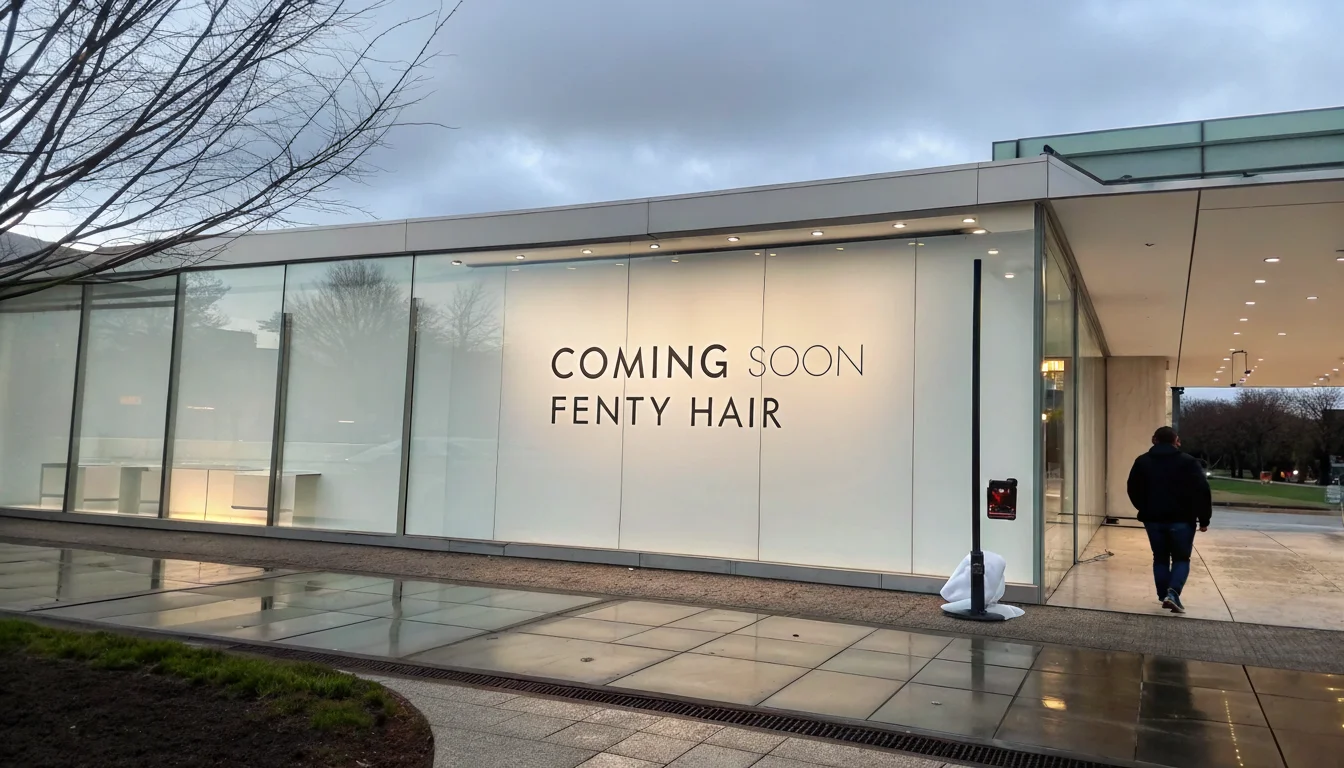
After the DTC launch on FentyHair.com, the brand entered all 700 Sephora North America stores and Sephora.com on September 3, 2024. "I'm really excited to bring Fenty Hair to Sephora so that everyone can get in on it," Rihanna said in press materials—standard celebrity-brand enthusiasm, though her track record at least earns the benefit of doubt. "Hair is one of the most fun parts of beauty—I've had every hair color, style, cut. I love to switch it up. But to do that, you need to make sure your hair is healthy."
International expansion included a September 3-28 pop-up at Selfridges Corner Shop in London, where "Mane Street" featured Hair Heaven salon services (£35 consultations, redeemable against product purchases). Sephora Middle East listed 13 items regionally. Controlled, strategic—not the instant mass distribution some celebrity brands chase before they've proven staying power.
Early reviews landed mixed but generally positive. Allure editors testing across hair types praised repair and curl products, though noted edge control performed inconsistently on 4B/4C textures—an important caveat for a brand positioning itself as universally inclusive. Page Six commerce coverage favored the shampoo, bond-builder, and heat protectant. Solid, if not ecstatic.
The LVMH Question Mark
Here's where it gets interesting. In October 2025, Reuters reported that LVMH was exploring a sale of its 50% stake in Fenty Beauty, with valuations floated between $1-2 billion. Fenty Hair operates through Kendo Brands, the same LVMH division that runs Fenty Beauty, Skin, and Fragrance across 60+ countries.
Yet Fenty Hair's retail expansion continued through that uncertainty—suggesting either the haircare venture is independent of any corporate restructuring, or LVMH views it as a sweetener in future negotiations. Rihanna's team hasn't commented publicly. LVMH hasn't clarified. The ambiguity lingers.
The Verdict That Isn't One Yet
At launch plus eight months, Fenty Hair is executing a measured rollout—DTC to Sephora exclusive to international flagships—rather than flooding every retailer in sight. The February and September 2025 product drops suggest sustained development, not a one-time cash grab.
The real test, though, isn't distribution. It's whether Replenicore-5 becomes the kind of ingredient shorthand that made Olaplex a household term, or whether Fenty Hair succeeds primarily on Rihanna's celebrity gravitational pull and Kendo's institutional distribution muscle.
In a 9%-growth category with LVMH backing (for now, anyway), maybe those two paths aren't mutually exclusive. Maybe they don't need to be.
But if Fenty Hair wants to be more than a well-executed celebrity line—if it wants to be the bond-repair successor or the next Olaplex—ingredient credibility will matter more than amber-yuzu fragrance mists. The science will have to carry weight beyond 30-person studies.
Rihanna's proven she can build billion-dollar brands. Whether she can do it twice in categories this different remains the more interesting question. And unlike makeup launches, haircare doesn't forgive as easily.


