

Terra Industries has secured $52 million in seed funding, a seven-month marathon that appears to mark one of the largest seed rounds ever raised by an African startup. The Nigerian company manufactures autonomous drones, ground robots, and surveillance systems designed to protect oil fields, mines, and other infrastructure across the continent.
The money didn't arrive all at once. Instead, Terra stitched together three separate closings between January and August, adding investors as the company's traction became harder to ignore. That gradual assembly may say something about the challenge of raising defense-tech capital outside the U.S. and Europe, even as military spending surges across Africa.
Beyond Lagos
Terra plans to funnel the capital into its first office outside Africa, which will open in London, and into expanded manufacturing at existing facilities in Nigeria and Ghana. "This funding lets us scale that work and deepen our manufacturing base," CEO Nathan Nwachuku said in a statement. "It also puts us in the rooms where global defense decisions are made."
That London foothold matters. Western defense contractors and procurement officials rarely travel to Abuja for due diligence meetings, and Terra's ambitions reach well beyond African borders. The company is hiring across engineering, operations, and business development, with an eye toward accelerating deployments in emerging markets throughout the Global South.
A Record, With Caveats
Coverage from SiliconANGLE, TechRadar Pro, and The Next Web describes the $52 million total as one of the largest seed rounds ever raised by an African startup, though some outlets hedge to "one of the largest." Precise comparisons are difficult given how funding stage definitions vary by region and investor.
The round came together in stages. Fenwick & West, which advised Terra, confirmed that 8VC led an initial $11.75 million tranche in January. Valor Equity Partners, Lux Capital, SV Angel, Leblon Capital, Silent Ventures, Nova Global, and several angel investors participated. Lux Capital then led a $22 million extension in February, bringing the total to $34 million and adding Belief Capital, Tofino Capital, Resilience17 Capital, and angels including actor Jared Leto and investor Jordan Nel, TechCrunch reported at the time.
The final $18 million closed in August with a mix of existing backers—8VC, Silent Ventures, Nova Global, Belief Capital, SV Angel—plus newcomer Norleo Space Investments and angel investor Grant Gordon, according to Terra's announcement.
8VC Defense Partner Alex Moore joined Terra's board earlier this year.
Manufacturing at Scale
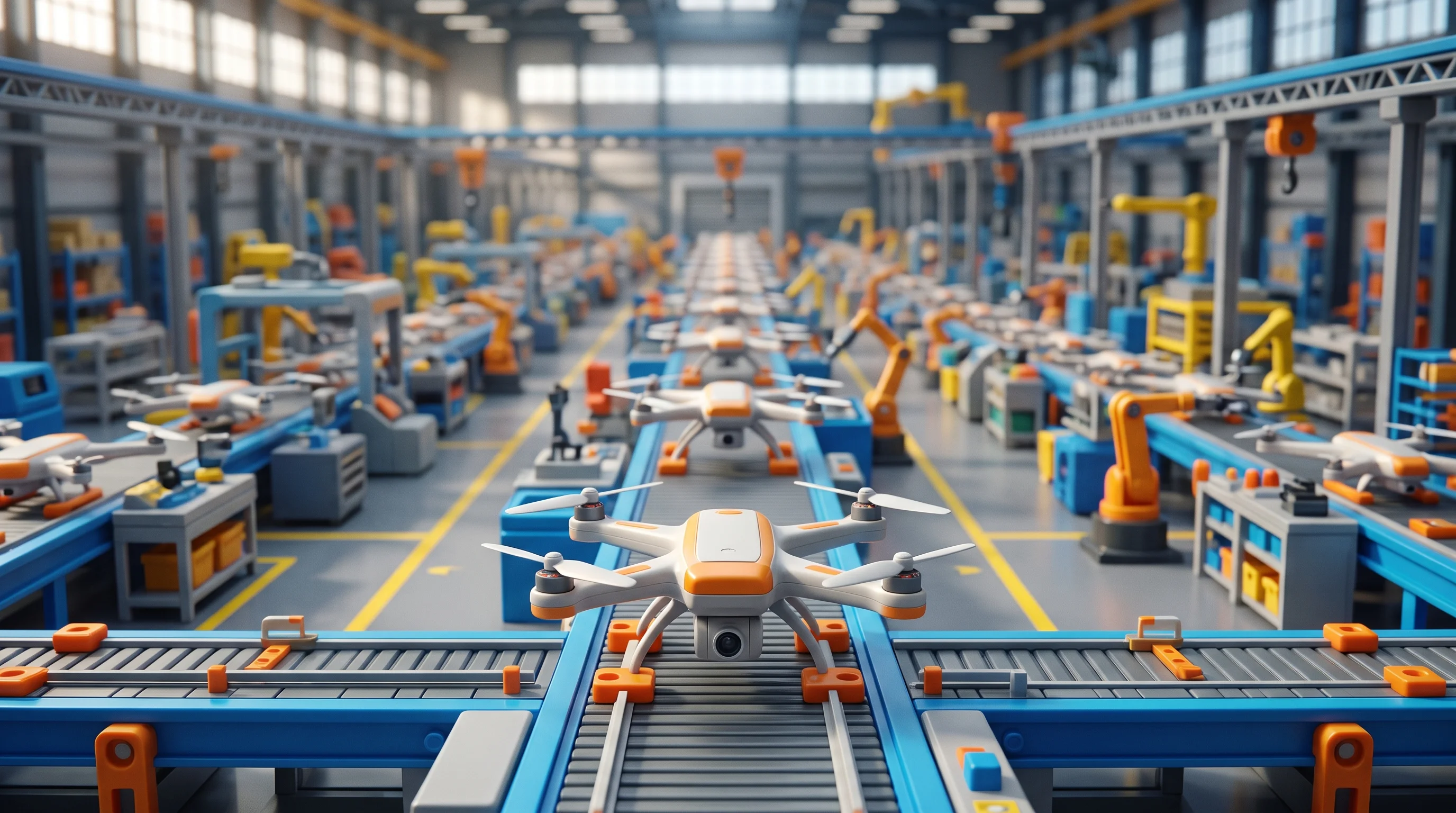
Terra operates a 15,000-square-foot factory in Abuja and is building a significantly larger 34,000-square-foot facility in Accra, Ghana. That second plant is scheduled to open in the fourth quarter with the capacity to produce up to 50,000 aerial systems annually by 2028, the company said. Those are ambitious targets for a startup, though perhaps less so given Terra's partnerships: the company has inked a joint-venture memorandum with Nigeria's Defence Industries Corporation and a manufacturing arrangement with AIC Steel in Saudi Arabia, TechCrunch reported earlier this year.
The company claims its systems already protect approximately $11 billion in assets at deployed sites, according to company announcements. Revenue has climbed into the eight figures, up from approximately $2.5 million earlier in the year, according to The Next Web. Terra is projecting more than $100 million in contract bookings by the end of next year.
Those figures are difficult to verify independently, but they align with the kind of growth trajectory that would justify a seed round of this size.
The Product Line
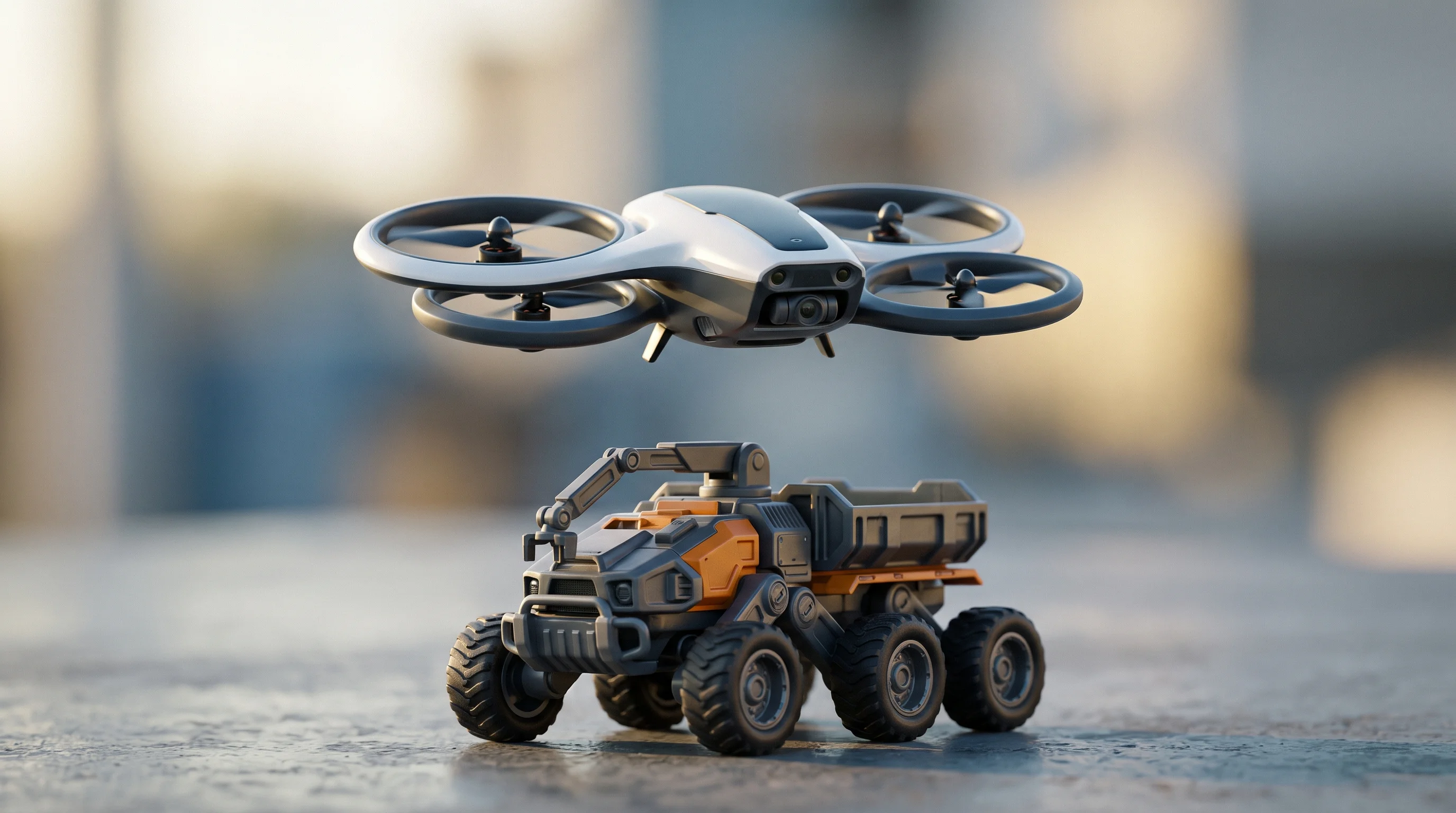
Terra's hardware includes the Archer, a vertical-takeoff drone with a reported range of up to 1,000 kilometers, and the Iroko quadcopter. The company also manufactures the Duma, a ground vehicle capable of hauling a 600-kilogram payload, and ArtemisOS, its command-and-control software platform.
Co-founder and chief engineer Maxwell Maduka told War on the Rocks in June that Terra does not build autonomous lethal systems. "Nothing in our engineering or documentation stack allows a system to decide to engage on its own," Maduka said. That distinction matters in an industry where autonomous weapons remain controversial and, in some jurisdictions, subject to export restrictions.
Following the Money
African military expenditure rose 8.5 percent to $58.2 billion, with Sub-Saharan Africa accounting for $23.3 billion of that total, up 7.4 percent year-over-year, according to recent data from the Stockholm International Peace Research Institute. Global military spending reached $2.9 trillion during the same period, SIPRI reported.
Terra's positioning has drawn comparisons to Western defense-tech firms such as Anduril, Shield AI, and Helsing, according to SiliconANGLE. Those companies have raised significantly more capital, but they also face more entrenched competition from legacy contractors.
The startup bolstered its leadership team in August by hiring Ben MacWilliams as vice president of strategy. MacWilliams previously served as director of Starlink market access for Africa and the Middle East at SpaceX, a background that suggests Terra is thinking seriously about communications infrastructure and satellite integration.
Whether the company can execute on its manufacturing roadmap and convert bookings into delivered revenue will determine if this seed round looks prescient or premature. For now, Terra has the capital to find out.


