

The data center industry has a new constraint, and it isn't about chips or cooling systems. It's the grid itself—specifically, how long it takes to plug into it.
Enter GridCARE, a Stanford spinout that has spent the past year pitching a provocative thesis: the wait for power doesn't have to stretch across multiple fiscal quarters. The company announced a $64 million Series A round on May 14, co-led by Sutter Hill Ventures and veteran investor John Doerr, bringing its total raise to $77.5 million since emerging from stealth. The fundraise was oversubscribed—a signal, perhaps, that the market believes untangling grid interconnection queues has become urgent enough to merit this level of attention.
The pitch centers on what GridCARE calls "physics-based AI," a platform designed to find latent capacity in existing transmission infrastructure and shrink interconnection timelines from years to months. Whether that compression holds up under real-world regulatory and utility friction remains to be seen, but the funding roster suggests serious players are willing to bet on it. Alongside Sutter Hill, the round drew National Grid Partners, Future Energy Ventures, Emerson Collective, Stanford University itself, and a cohort of returning climate and infrastructure-focused funds.
The Grid Bottleneck No One Saw Coming
Five years ago, data center operators worried primarily about construction costs and land availability. Today, the question dominating site selection isn't where but when—as in, when can we actually turn the lights on?
According to JLL's latest data center outlook, construction costs per megawatt climbed from $7.7 million in 2020 to an estimated $11.3 million in 2026. But the bigger headache is the interconnection queue itself, where projects can languish for two, three, even four years awaiting utility approvals and transmission upgrades. The industry is forecasting roughly 100 gigawatts of new capacity from 2026 through 2030, a buildout potentially worth $3 trillion—assuming, of course, the grid can accommodate it.
GridCARE's Energize platform attempts an end-run around the problem. Rather than waiting for new transmission builds or resorting to expensive behind-the-meter generation, the company works directly with utilities to surface capacity that already exists but hasn't been allocated efficiently. The idea is to layer real-time grid modeling on top of utility planning processes, identifying pockets of near-term availability that might otherwise go unnoticed.
It's a narrow but potentially lucrative wedge. If it works.
Early Evidence From Oregon and New York
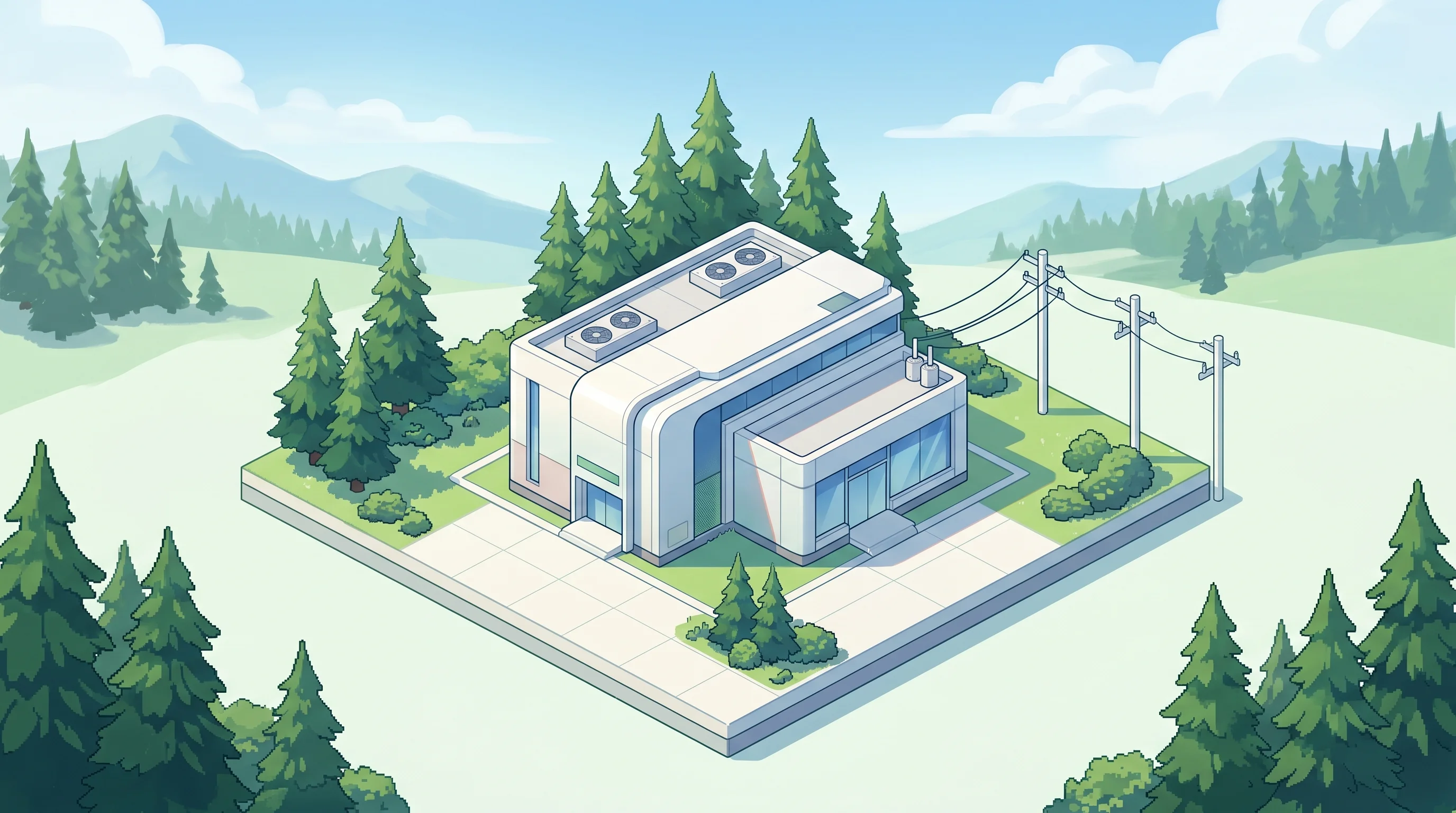
The company's debut collaboration with Portland General Electric, announced last October, unlocked a path to more than 400 megawatts in Hillsboro, Oregon—a well-trodden data center hub. The first 80 megawatts were expected to come online this year, though GridCARE hasn't disclosed how many operators have signed on or what the capacity utilization looks like in practice.
A second project, launched in March with National Grid in New York, aims to cut the "time-to-energize" window for large loads down to six to twelve months. That's an aggressive target in a state where regulatory review alone can stretch timelines. As of mid-May, GridCARE says it has power-acceleration projects across more than a dozen markets, collectively representing over 2 gigawatts of AI compute capacity.
The revenue model is straightforward: GridCARE charges data center developers a fee pegged to the megawatts unlocked. It aligns incentives, at least in theory. Developers pay for speed; utilities get better asset utilization. Whether that triangulation scales across varying regulatory regimes and grid topologies is the open question.
A Team With Exits and Academic Heft
GridCARE's CEO, Amit Narayan, comes with a relevant pedigree—he previously founded AutoGrid, a grid software company that Schneider Electric acquired in 2022. Co-founder Ram Rajagopal is on leave from a faculty position at Stanford, while Arun Majumdar, another co-founder, serves as the inaugural dean of Stanford's Doerr School of Sustainability. The academic ties run deep; Stanford itself participated in the Series A.
In January, the company added Ram Shriram—a Google founding board member—to its board. The roster suggests GridCARE is playing a long game, courting both technical credibility and go-to-market firepower. Sutter Hill, an early Nvidia backer, brings pattern recognition from the last wave of infrastructure scaling; Doerr, as chairman of Kleiner Perkins, brings decades of cleantech and enterprise software instincts, some of which panned out and some of which didn't.
The fresh capital will fund platform expansion, deeper utility partnerships, and what GridCARE is branding as the "Power Acceleration" category—a term that feels aspirational but may stick if enough peers adopt similar approaches. The company plans to convene its inaugural Power Acceleration Summit in September, an event that will either validate the category or reveal how crowded the space has become.
Why Now, and What's at Stake
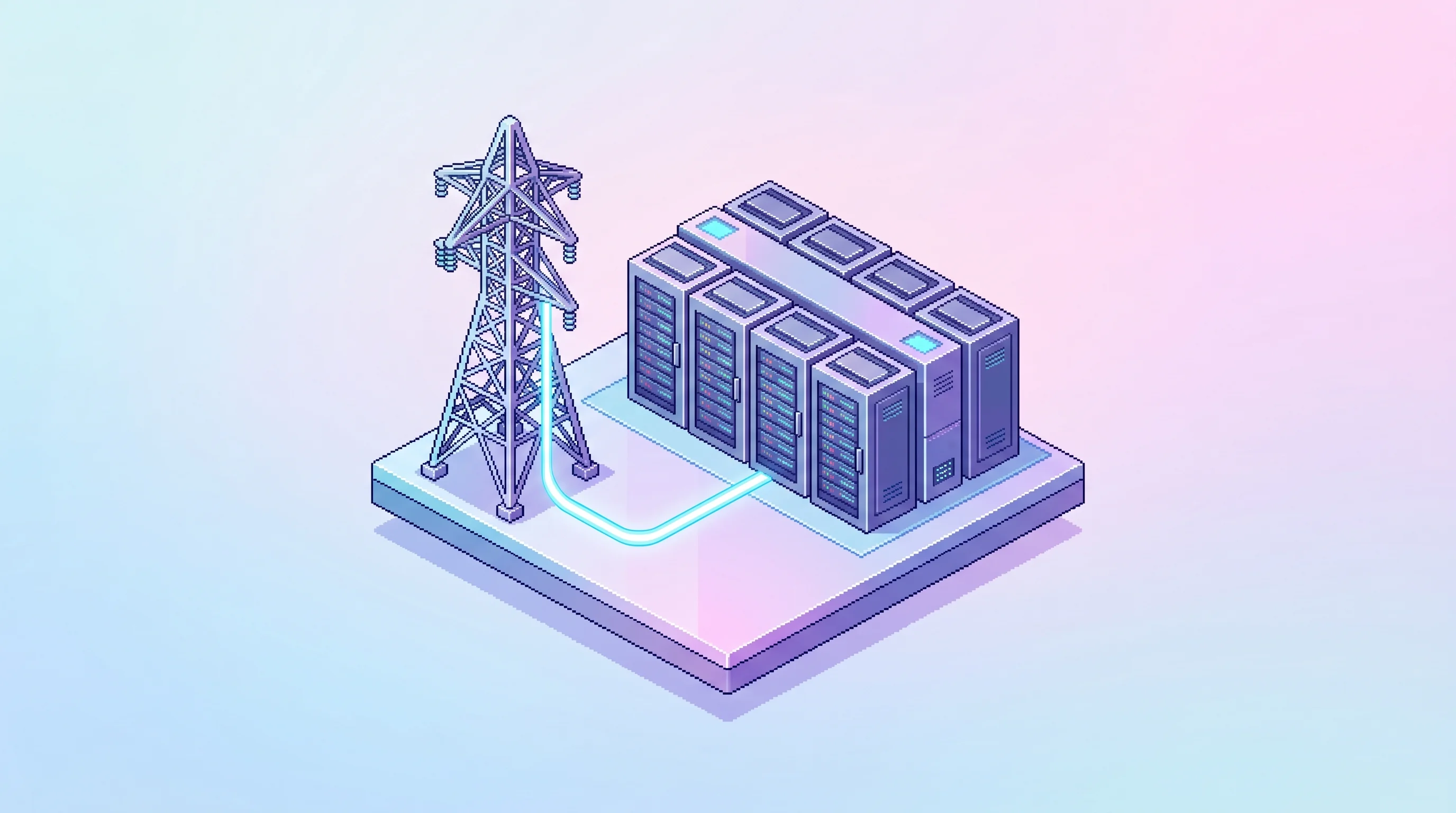
The confluence of AI infrastructure demand and grid constraints has created what some investors are calling a "once-in-a-decade" infrastructure moment. Data centers aren't going away, and neither are the multi-year waits for transmission upgrades. If GridCARE's software can genuinely shave quarters off those timelines, it will have solved a problem with a very large addressable market.
But there's friction in the system—regulatory, technical, and political. Utilities don't move quickly, even with the promise of better asset utilization. State public utility commissions operate on their own calendars. And the grid itself, aging and strained, isn't always cooperative.
GridCARE's bet is that software can navigate those constraints faster than hardware can. It's a bet that attracted $64 million, at least. Whether it holds up beyond the pilot stage is a question that will take more than one funding round to answer.


